Smart homes have always promised a future where you talk to the house and the house behaves. Google just made that promise weirder—and more interesting—by letting someone else’s AI hold the remote.
On Wednesday, Google rolled out early access to a Model Context Protocol (MCP) server for Google Home. Any agent that speaks MCP—think Claude, ChatGPT, Hermes, OpenClaw, or Google’s own Antigravity—can securely work with devices in your Google Home ecosystem and dig through event history. In plain English: your preferred chatbot can now ask what the doorbell saw, dim the hallway, and build a custom dashboard without Google Assistant sitting in the middle like a hall monitor.
It’s the agentic-AI era arriving in the living room with a Nest badge on its chest.
What MCP actually unlocks
Google’s pitch is natural-language control that goes beyond “turn on the lights.” Early access is aimed at reviewing camera summaries, monitoring activity, controlling connected gear, and assembling personal smart-home dashboards. Because MCP is a standardized tool layer, the agent doesn’t need a one-off Nest plugin for every vendor—it talks to Home’s server and Home brokers the rest.
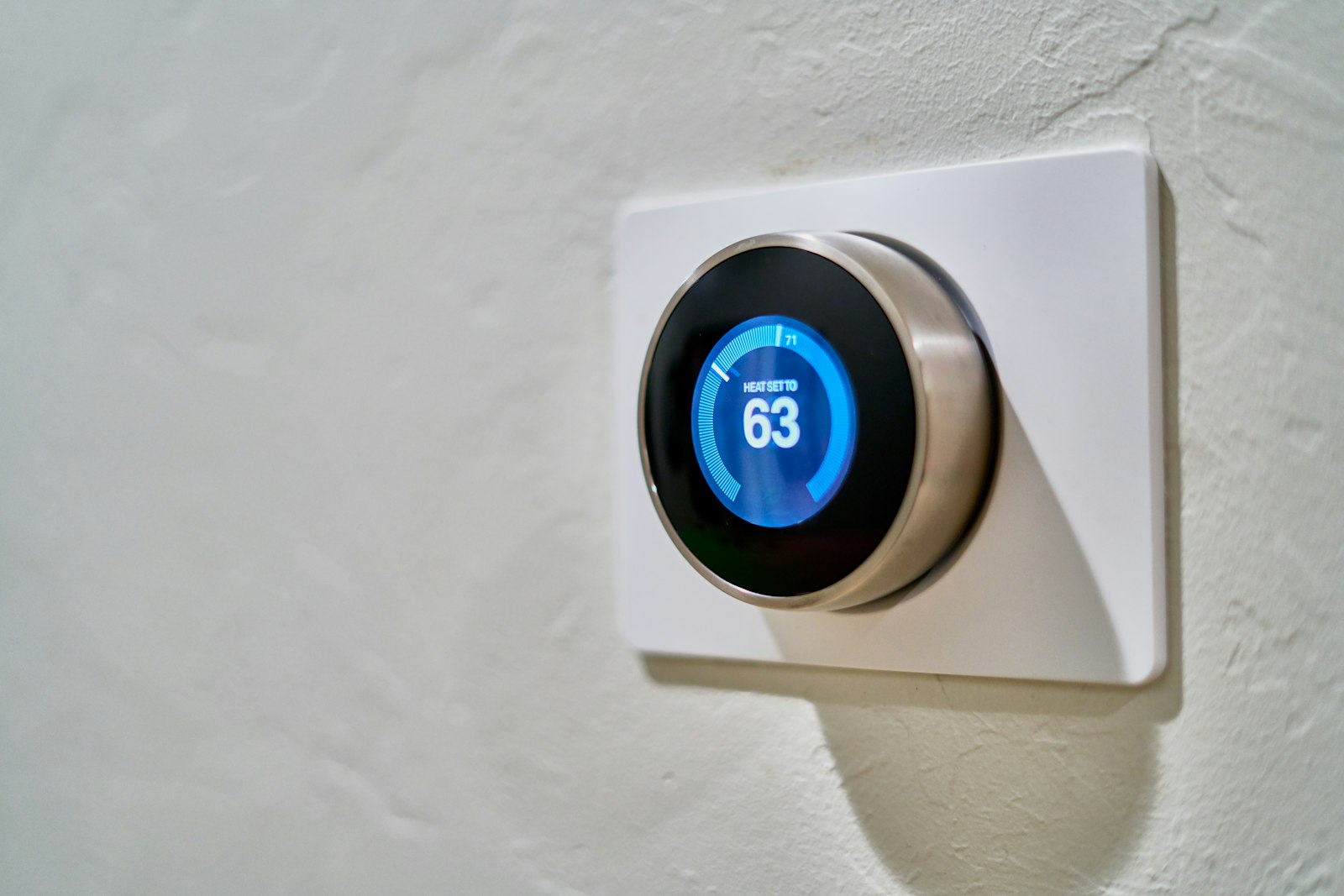
That includes Nest doorbells and thermostats plus Works with Google Home and Matter devices. If it’s already in your Google Home graph, it’s fair game for the agent once permissions are granted.
The Verge’s coverage fleshed out the juicier demos: cross-camera questions (“what did the kids do after school?”), laundry-load forensics from device state history, voice callbacks over a Nest speaker when a task finishes, and agent-built control panels. Gemini for Home stays Google’s first-party face; Home MCP is the side door for third-party brains.
Setup is not “Hey Google, just work”
There’s a catch measured in Cloud consoles. Users create a Google Cloud project, configure it for Home MCP, hand the config to their agent, then sign in and grant permissions. Google says a setup guide will live in the Google Home Developer Center. That is… not the path your grandparents take to dim a bulb.
Which is probably intentional. Google is shipping this as early access, soliciting feedback via its Smart Home for Developers Community, and limiting who can play.
The $20/month velvet rope
Access rolls out starting Wednesday over the coming weeks to U.S. subscribers on Google Home Premium Advanced—the $20-per-month (or $200/year) tier with longer event video history, descriptive alerts, searchable clips, and daily summaries. Google wouldn’t say when—or if—MCP lands on cheaper plans or outside the U.S.
So the headline “AI agents control Google Home” is true, with footnotes: English U.S., paid Advanced, Cloud project homework, and a rollout measured in weeks.
Why this matters beyond gadget theater
MCP already shows up across Google Cloud, data platforms, developer tools, and Workspace. Bringing it to Home is Google admitting that consumer AI isn’t just another assistant brand—it’s an interoperability layer. If Claude can operate your Nest cameras the same way it operates a spreadsheet, the “assistant wars” look less like exclusive ecosystems and more like which model you trust with the keys.
That trust question is the plot twist. Giving a third-party agent camera history and thermostat control is powerful; it’s also a new attack surface dressed as convenience. Google’s “securely work with” language will be stress-tested the first time a mis-scoped token leaves a porch cam open to the wrong prompt.
Still, for power users already living in agent workflows, this is the missing bridge between chat and the physical house. Fewer proprietary skills. More “just ask the model you already pay for.”
Google didn’t invent the dream of a house that listens. It just invited every MCP-speaking agent to the lease negotiation—and put the good seats behind a Premium Advanced paywall.
Source: TechCrunch — Your AI agents can now control your Google Home devices