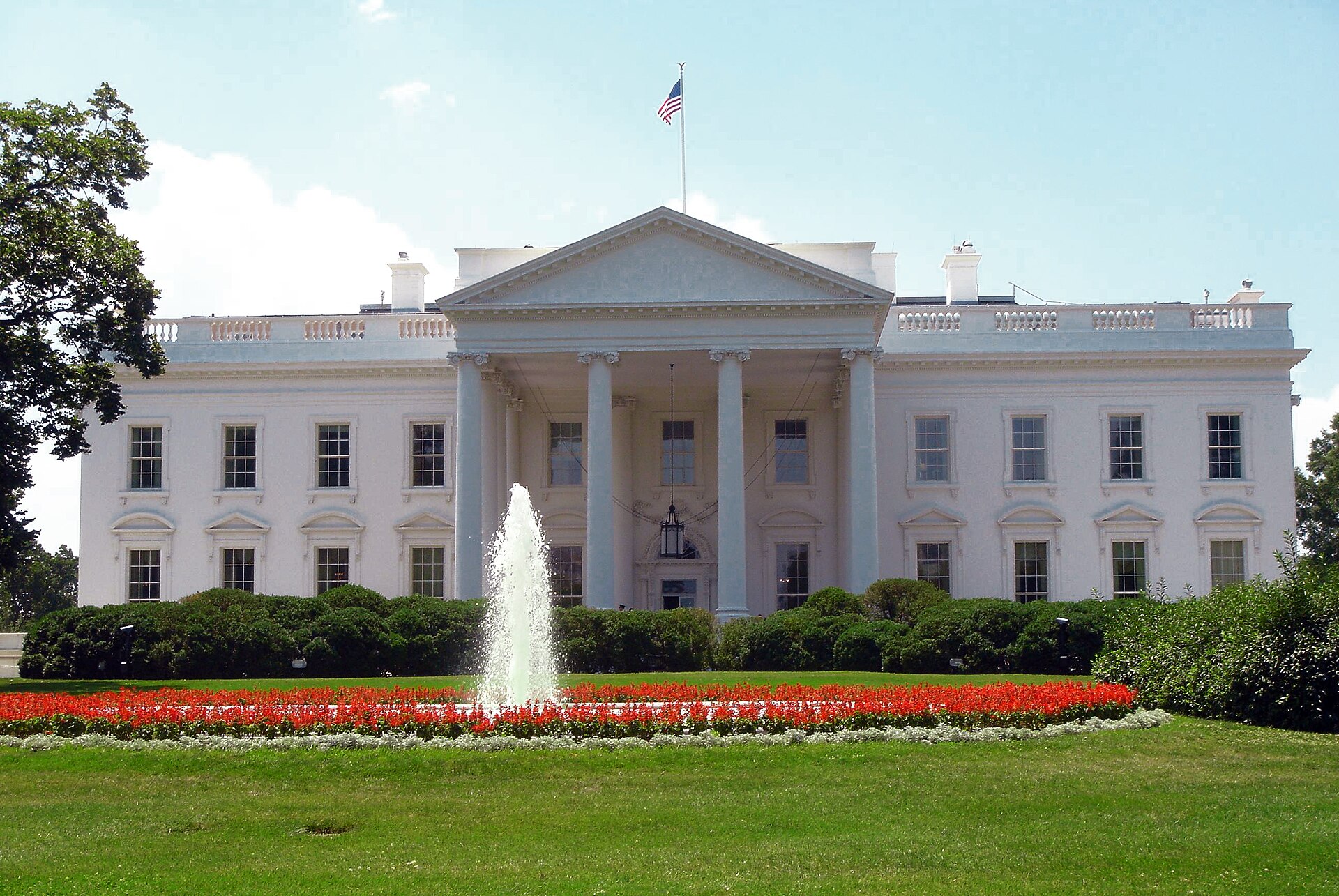
If you tried to follow AI policy news over the past week, you probably came away with a vague sense that something big happened. There was a signing ceremony at the White House, an executive order that renames the technology, a new federal task force, an FTC investigation, and today a rare all-hands hearing at New York City Hall where OpenAI, Anthropic, Google and Meta are set to testify under oath. That is a lot of headlines for one week, so we lined them up side by side and asked a simple question about each one: does it actually require an AI company to do anything?
The short answer is that most of the federal activity is about language and coordination, while the pieces with real legal weight are an existing regulator using its existing powers and a city council that wants to write new rules. Here is how we got there.

How the week unfolded
The week started on September 25, when NYC Council Speaker Julie Menin announced a slate of ten AI bills and scheduled them for a Committee of the Whole hearing on October 5. Four days later, on September 29, President Trump hosted a lunch with tech executives and they signed what the companies call the Joint Commitment on Frontier Responsibilities. CBS News reported that when asked whether the deal was binding, the president said, "I think it's morally binding."
The same day he signed Executive Order 14434, which tells federal agencies to say "Super Intelligence" and "SI" instead of "artificial intelligence" and "AI." On September 30 the FTC confirmed to CNBC that it has opened an investigation into OpenAI, Anthropic and other AI companies over the potential dangers of their products. Then on Sunday, October 4, Trump announced a "Super Intelligence Force" led by Director of National Intelligence Jay Clayton, with FTC Chair Andrew Ferguson and Under Secretary of Defense Emil Michael on board, according to the BBC.
We read the primary documents where they exist and sorted each move by what it can actually compel:
| Date | Action | Legally binding? | Who it applies to | Penalty if ignored |
|---|---|---|---|---|
| Sep 29 | White House accord (Joint Commitment on Frontier Responsibilities) | No, voluntary | Signing companies | None stated |
| Sep 29 | Executive Order 14434 ("Super Intelligence" wording) | Yes, but only on agency wording | Federal agencies | None for companies; the order says it creates no enforceable rights |
| Sep 30 | FTC investigation | Uses existing FTC law | OpenAI, Anthropic and unnamed others | Depends on findings; none announced |
| Oct 4 | Super Intelligence Force | No new rules announced | Coordinates federal engagement | None stated |
| Oct 5 | NYC Council hearing on 10 bills | Not yet; proposals only | Businesses selling or deploying AI in NYC | $25,000 per violation under Intro 2602, if passed |
What the accord and the order really say
The accord is short. Per The Guardian's read of the one-page text Trump posted to Truth Social, it describes four layers of controls: internal safety monitoring during training, an internal team that checks that monitoring, an external auditor, and an independent board that reviews the reports. The Guardian points out that none of those layers involves a government regulator, and nothing commits the companies to publish what the auditors find. The text itself, as quoted by CBS, says "over time, it may make sense to codify these steps into laws or regulations," which is a fair summary of where things stand: it's a statement of intent.
The executive order is even narrower than the headlines made it sound. Section 2 covers "official correspondence, public communications, websites, reports, policy documents, and other non-statutory documents within the executive branch," and it explicitly does not require changes to existing regulations, contracts or grants. Section 3 keeps the legal definition exactly where it was, pointing "SI" back to the existing statutory definition of artificial intelligence in 15 U.S.C. 9401(3). The one deadline in it is for the President's science adviser to propose legislative language for a new definition within 60 days. Counting from September 29, that lands on November 28, 2026, and even then it's a proposal that Congress would have to pass.
So if you work at an AI lab, nothing about your obligations changed on September 29. If you work at a federal agency, your style guide did.
Where the real teeth are
The FTC probe is the one federal item backed by a law that already applies to these companies. CNBC reports the agency declined to name the other companies involved, and no charges or findings have been announced, so it's too early to say what it will produce. It's worth noticing, though, that the FTC's chair now also sits on the White House task force that coordinates with the same "Super Intelligence Companies" his agency is investigating. That isn't improper on its face, but it's the overlap we'll be watching.
New York City's package is where the accord's ideas turn into requirements. The lead bill, Intro 2602, would make it unlawful to market, sell or deploy an AI system in the city without third-party validation, and it would require a human-operated shutdown switch that the validator must verify. Both the business and the validator would face a $25,000 penalty per instance of skipping or faking that validation. Compare that with the accord's third layer, an external auditor the company picks, with no publication requirement. Intro 2602 takes the same basic idea, adds conflict-of-interest disclosure for the validator, and attaches a fine.
The rest of the slate goes further in different directions. Intro 2605 would pay whistleblowers a share of fines recovered from AI companies, Intro 2600 would let New Yorkers sue when a company's weak safeguards let a third party jailbreak a tool and cause foreseeable harm, and Intro 2601 would make city contractors report AI safety incidents to the city's Cyber Command within 24 hours. According to Gothamist, today's witnesses include Anthropic's Logan Graham, OpenAI's Morgan Dwyer, Meta's Shane Cahill and Google's Alice Friend, along with former employees Jacob Coxon, Alex Turner and Daniel Kokotajlo.
Our take
This is our opinion, not a legal analysis. The federal week was mostly about framing: a new name, a voluntary pledge and a new committee. That doesn't make it meaningless, since the accord gives the public a written standard to hold the companies to, but you shouldn't read it as regulation. Senator Mark Warner put the critics' view bluntly in a statement quoted by CBS: "The president's response? To rename it and tell the companies developing it to regulate themselves."
If you build or sell AI tools that New Yorkers use, Intro 2602 is the bill to read closely, because a validation requirement with per-instance fines would reach well beyond the big four labs. If you're just trying to keep track, the dates that matter next are how the council moves these bills after today's hearing, any public step in the FTC investigation, and the November 28 deadline for a proposed legal definition of "super intelligence."