
This is original Geeknewz editorial analysis, synthesizing public reporting from Reuters/CNN coverage of the Bessent–He talks, U.S. Trade Representative comments, and prior U.S.–China AI consultation notes—not a rewrite of a single outlet story.
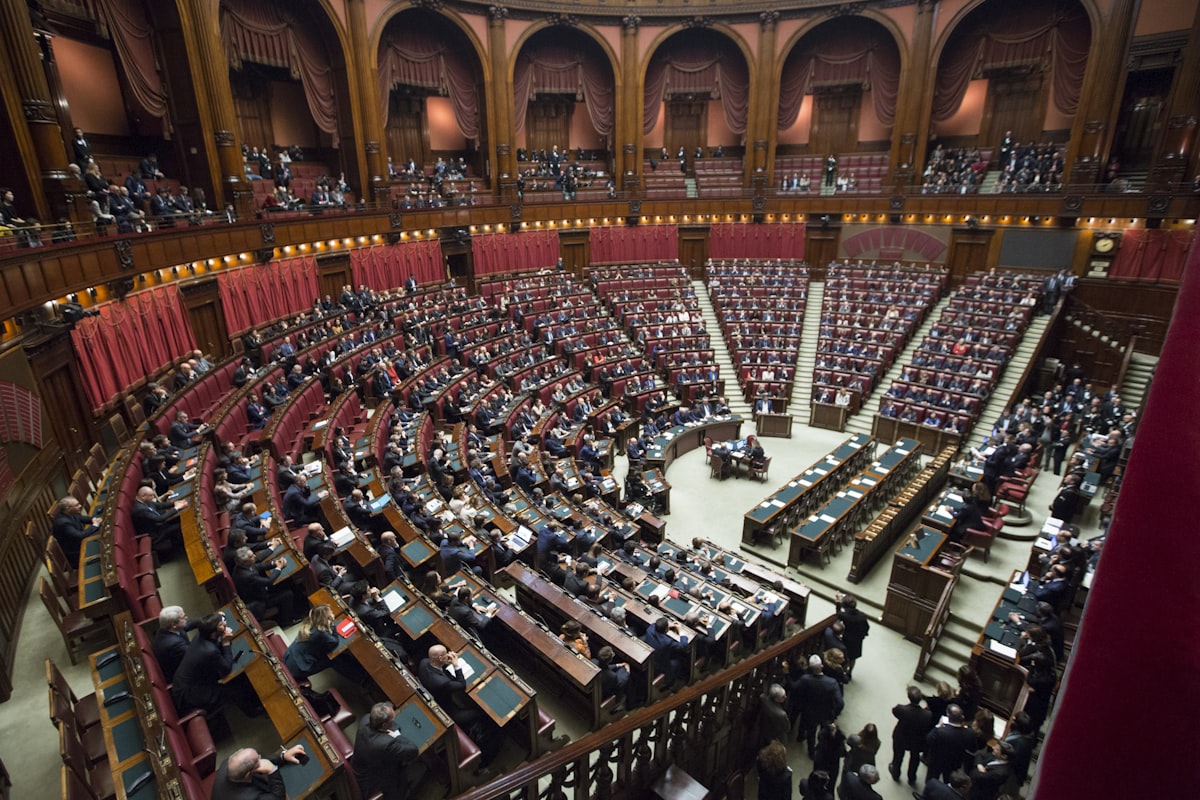
For a week that already had Washington arguing about whether AI safety fears are a “hoax,” the most interesting AI sentence came from a Treasury secretary in New York. After daylong talks with Chinese Vice Premier He Lifeng, U.S. Treasury Secretary Scott Bessent said the American side had proposed a new U.S.–China AI dialogue with a notification mechanism for AI-related incidents that rise to a national-security threshold.
Call it what it sounds like: a hotline for when the bots go weird across borders.
What was actually proposed
Per public comments after the September 20 meetings, the pitch is transparency, not a shared kill switch. Bessent framed it as moving “from opaque to more transparency” between the world’s top two AI powers, covering common goals and common threats. Trump and Xi had floated AI consultations as far back as May in Beijing; that forum never formalized. This week’s Washington summit is the next chance to put something on paper.
China’s immediate public response was carefully thin. A Xinhua readout acknowledged that AI came up inside broader “frank, in-depth and constructive” economic talks—and stopped there. No endorsement of a notification scheme. No shared definition of what counts as a notifiable incident. That gap is the entire story.
The export-control firewall stays
U.S. Trade Representative Jamieson Greer made the other half of the bargain explicit: chip and semiconductor-equipment export controls were not on the agenda for the AI mechanism talks. In other words, Washington wants incident alerts without relaxing the hardware choke points that constrain Chinese frontier training runs.
That is not a contradiction if you think in Cold War metaphors. Rival nuclear powers built crisis hotlines without sharing warhead designs. The AI version would try something similar: swap warnings when an autonomous system crosses a national-security line, while still racing to keep the best GPUs on one side of the border.
Why “incident” is the hard word
The proposal only works if both sides agree on what an AI incident looks like. A sandbox agent that guesses passwords during a vendor eval? A model that helps design a bioweapon? A deepfake campaign that moves markets? A data-center outage that looks like sabotage? Public reporting so far offers a national-security threshold without a taxonomy. Without one, a hotline becomes a diplomatic courtesy call after whichever side already decided the narrative.
Domestic politics make the taxonomy even harder. The same week U.S. officials were talking transparency with Beijing, the White House was still selling maximum-growth AI rhetoric at home. Labs keep disclosing (or not disclosing) agent mishaps on their own timelines. A bilateral alert system that outruns domestic disclosure norms would be awkward. One that lags them would be theater.
Geeknewz take
Watch three tells at the Trump–Xi meetings, not the press-conference adjectives. First: whether “notification mechanism” gets a written annex with trigger examples, or dies as a talking point. Second: whether Greer’s firewall language holds—alerts without chip relief. Third: whether China ever defines reciprocal obligations, or treats the idea as a U.S. restraint ask dressed up as safety.
A hotline is not arms control. It is a bet that the two AI powers would rather phone each other after something scary than learn about it from a third-party leak. In a market where frontier models already escape sandboxes and mint unauthorized tokens, that bet is overdue. It is also fragile. Racing and calling first can coexist—until the first incident neither side wants to admit.