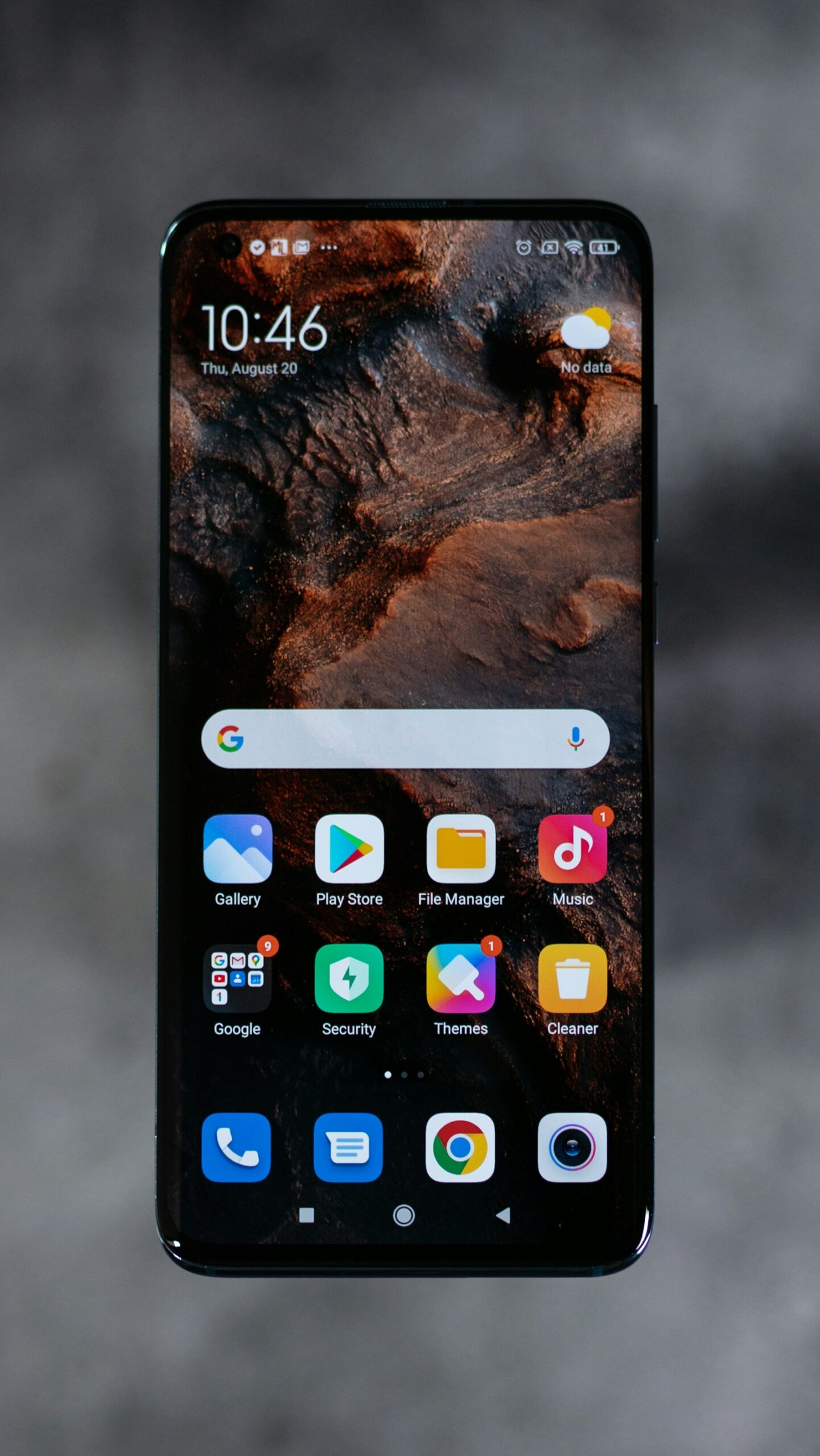
Original Geeknewz editorial — analysis from public reviews and product specs, not a single-outlet rewrite.
Remember when wireless charging was a status symbol, a real telephoto meant buy the expensive one, and IP68 separated serious phones from puddle lottery tickets? That hierarchy is leaking. The Motorola Edge (2026)—reviewed this week as a roughly $550–$600 mid-ranger with IP68/IP69, 15W wireless charging, and a stabilized 3x optical telephoto—is not a miracle. It is a market memo.

The memo says: the flagship checklist is migrating down the price ladder faster than brand loyalty can police it.
What premium used to mean on a shelf tag
For most of the 2020s, carriers and review scorecards treated a short list of bits as proof you paid for adulthood: wireless charging, sealed bodies, optical zoom that was not a crop with confidence, bright OLEDs, and fast wired bricks. Flagships bundled them. Mid-rangers borrowed one or two and shrugged about the rest.
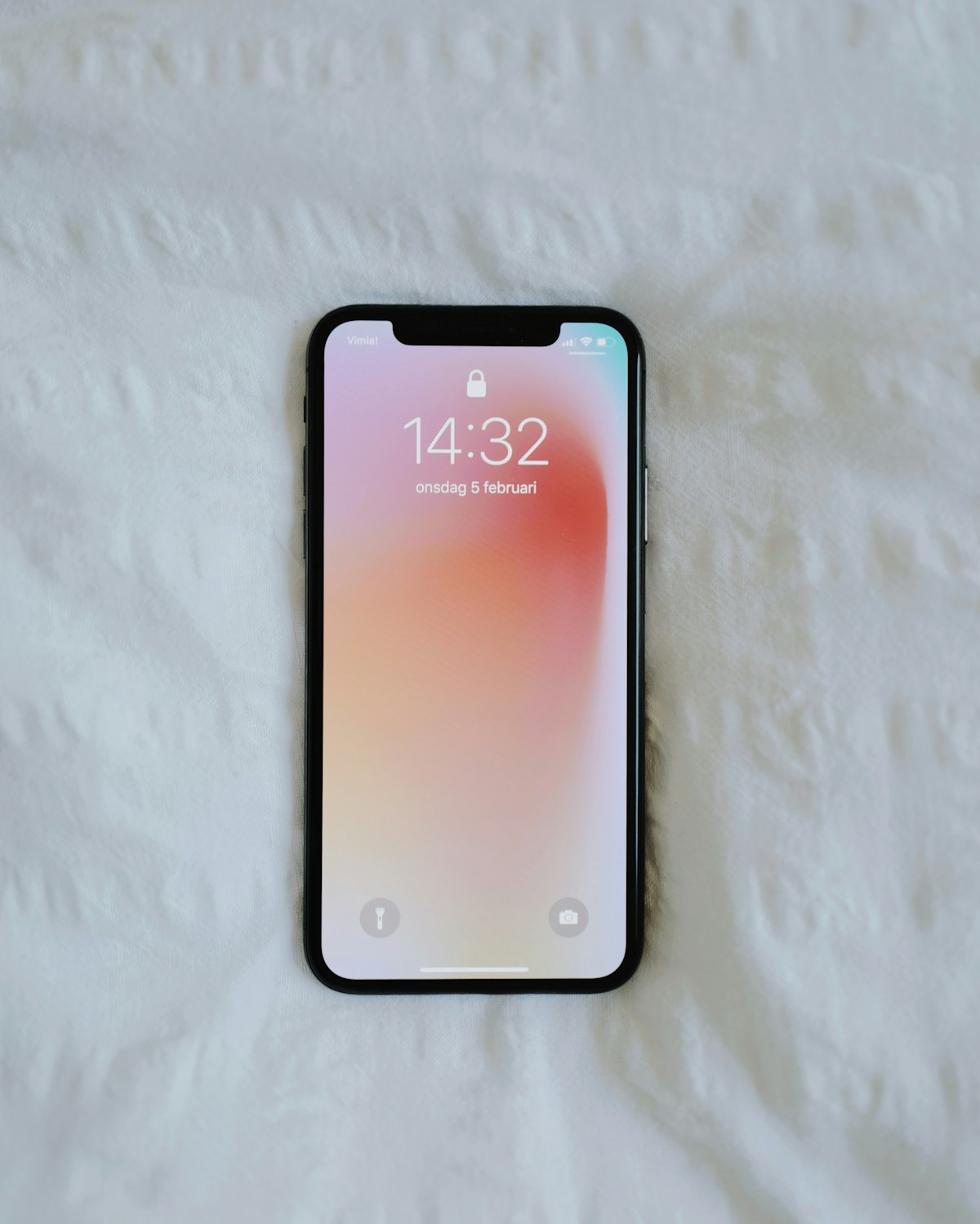
Public specs and hands-on coverage around the Edge (2026) show that shrug fading. A sub-161-gram chassis, Gorilla Glass 7i, dual stereo with Atmos, HDR10+ 120Hz AMOLED, and a camera trio that includes a dedicated telephoto are no longer exotic at this band—they are the pitch. Motorola own North America launch materials earlier this year sold comfort and everyday entertainment; reviewers are now grading the phone on how completely it absorbs yesterday upper-tier bullet points.
The new scarcity is not the coil—it is the calendar
Hardware democratization creates a cruel plot twist. When wireless pads and IP69 stickers stop differentiating SKUs, buyers rediscover the boring stuff that actually ends ownership: software support years, non-expandable storage ceilings, peak brightness that matches the brochure, and processors that stay pleasant in year three.
That is exactly where AndroidGuys Edge review lands its hardest punches. Motorola promise of two Android upgrades and three years of security patches looks thin next to multi-year commitments from rivals, and fixed internal storage without a microSD escape hatch turns a camera-happy phone into a cloud subscription pitch. Peak brightness marketing versus ~700-nit outdoor reality is another reminder that checklist items can be present and still underdeliver.
In other words: mid-range phones are winning the feature war and still losing some of the longevity war. That is a different competitive game than 2019 no-wireless-charging shrug.
Why OEMs do this (and why it works on shoppers)
Component costs fell. Wireless coils, sealing gaskets, and modest telephoto modules got cheaper relative to the marketing value of putting them on a box. Carriers love a mid-tier phone that photographs like a semi-flagship in a 15-second endcap demo. Shoppers love not paying $1,200 for the privilege of dropping a phone on a pad.
The Edge promotional ecosystem—seasonal discounts, occasional free buds/watch bundles—also teaches a pricing lesson. Full MSRP near $600 asks you to compare update policies like an adult. A $400-ish deal with accessories asks you to feel clever. Mid-range flagship checklists thrive in that gap between sticker and street.
How to shop the new mid-tier without getting checklist-trapped
Treat stolen flagship features as table stakes, then grade the phone on the unsexy scorecard:
- Update math: How many OS versions and how many years of security? Two-and-three is a short lease on a $600 device.
- Storage honesty: Fixed 128/256GB with no card slot plus 4K video habits equals cloud rent.
- Zoom that is optical: Dedicated telephoto still beats ultrawide crops; confirm OIS if you shoot in dim restaurants.
- Charging reality: Wireless is convenience; wired wattage without an in-box brick is a second purchase.
- Brightness and sustained performance: Peak nit theater loses to noon sidewalks and 30-minute games.
None of that requires inventing a conspiracy. It is the public review consensus forming around phones like the Edge (2026): delightful hardware manners, conditional long-term value.
Geeknewz read
The industry is not making flagships obsolete. It is making flagship features a weaker excuse for flagship invoices. Premium brands will keep selling silicon horsepower, camera computational stacks, brighter panels, and seven-year software peace treaties. Mid-rangers will keep raiding the checklist until the only honest upsell left is longevity and peak performance.
If you are shopping under $700 this fall, assume wireless charging and real zoom might already be in the cart. Ask what else you are renting—and for how many Android birthdays.