
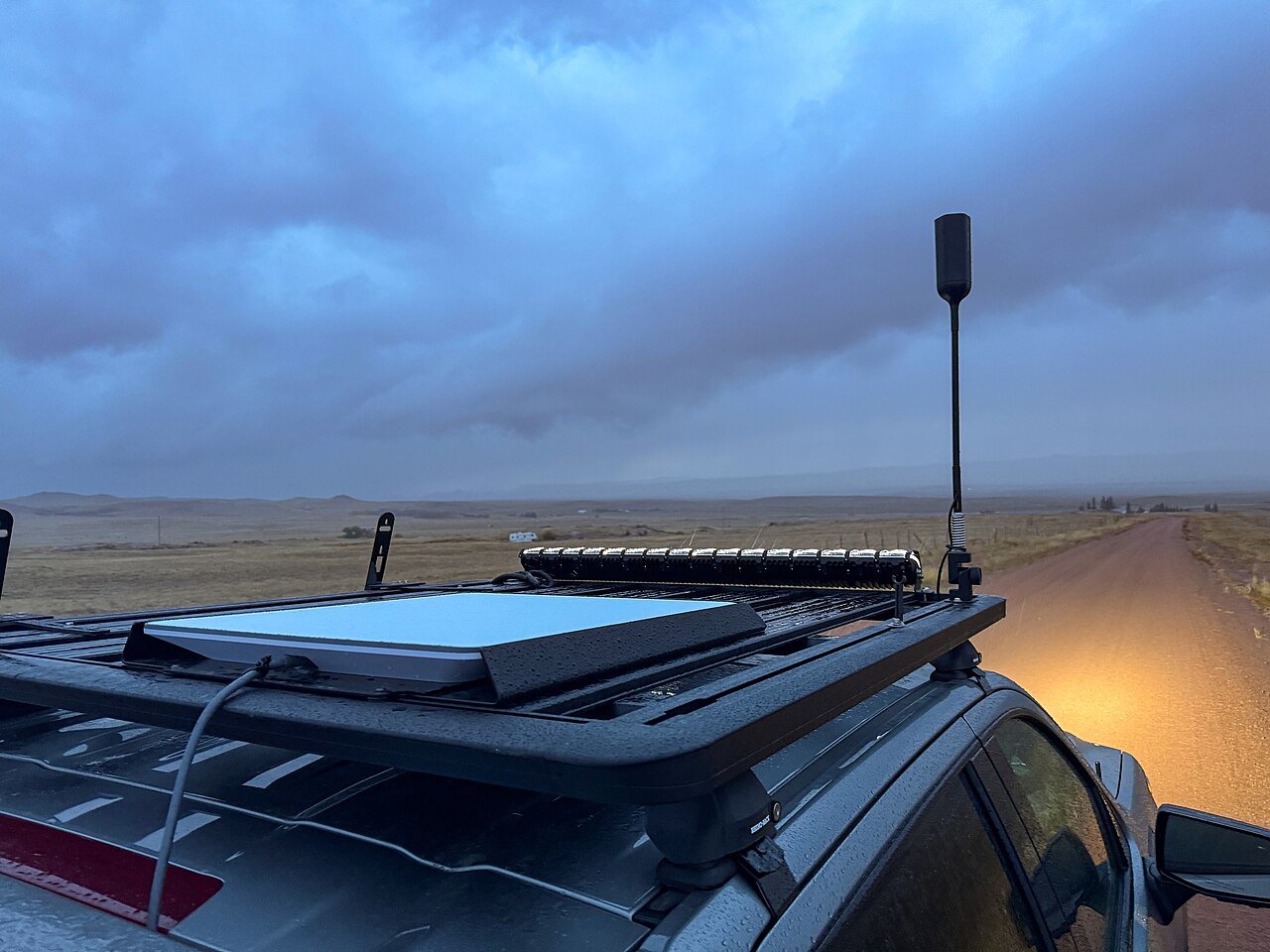
More US Starlink Residential customers are receiving location-based price increases of 10% to 20%, according to TechSpot's November 8 report. Citing PCMag, it describes the changes spreading beyond an initial Midwest rollout to states including Virginia, Washington and Alaska.
One reported Residential Max increase, from US$130 to US$156 monthly, adds US$312 a year if unchanged. That is an example, not a uniform rate for all households.
The customer notices described in the report tie prices to local network demand. It also describes new-customer discounts in several cities. Early Midwest notices mentioned roughly quarterly reviews; the broader notices give no fixed schedule, saying only that prices may change from time to time.
Check your own notice before the next bill
For existing subscribers, an advertised price at another address is a poor guide to the next invoice. Starlink's price-adjustment guidance says the new monthly rate starts with the first billing cycle on or after the effective date in the customer's email. Only future billing cycles are affected.
The company says it sends an email before the billing date when an increase takes effect. Customers can review invoices and payment history in their account's Billing tab. Its guidance also says promotional or discounted pricing remains unchanged for the agreed period. If that period ends, the plan moves to the region's new standard rate.
That makes three details worth checking together: the exact plan, the effective billing date and any promotion's end date. Keep the original order confirmation beside the new notice. If the amounts or dates conflict, ask support to explain the difference before treating a social-media screenshot as the rule for your account.
A household considering a switch should compare the next full year's likely cost, including installation and equipment charges, rather than just the rival provider's introductory monthly figure. Confirm that the alternative can actually serve the address and arrange a working connection before cancelling an essential service.
For rural homes with few alternatives, the immediate decision may be how to absorb a larger bill rather than which provider to choose. The useful number is the rate in your own notice, paired with its start date. A cheaper offer elsewhere does not tell you what keeping your existing connection will cost.