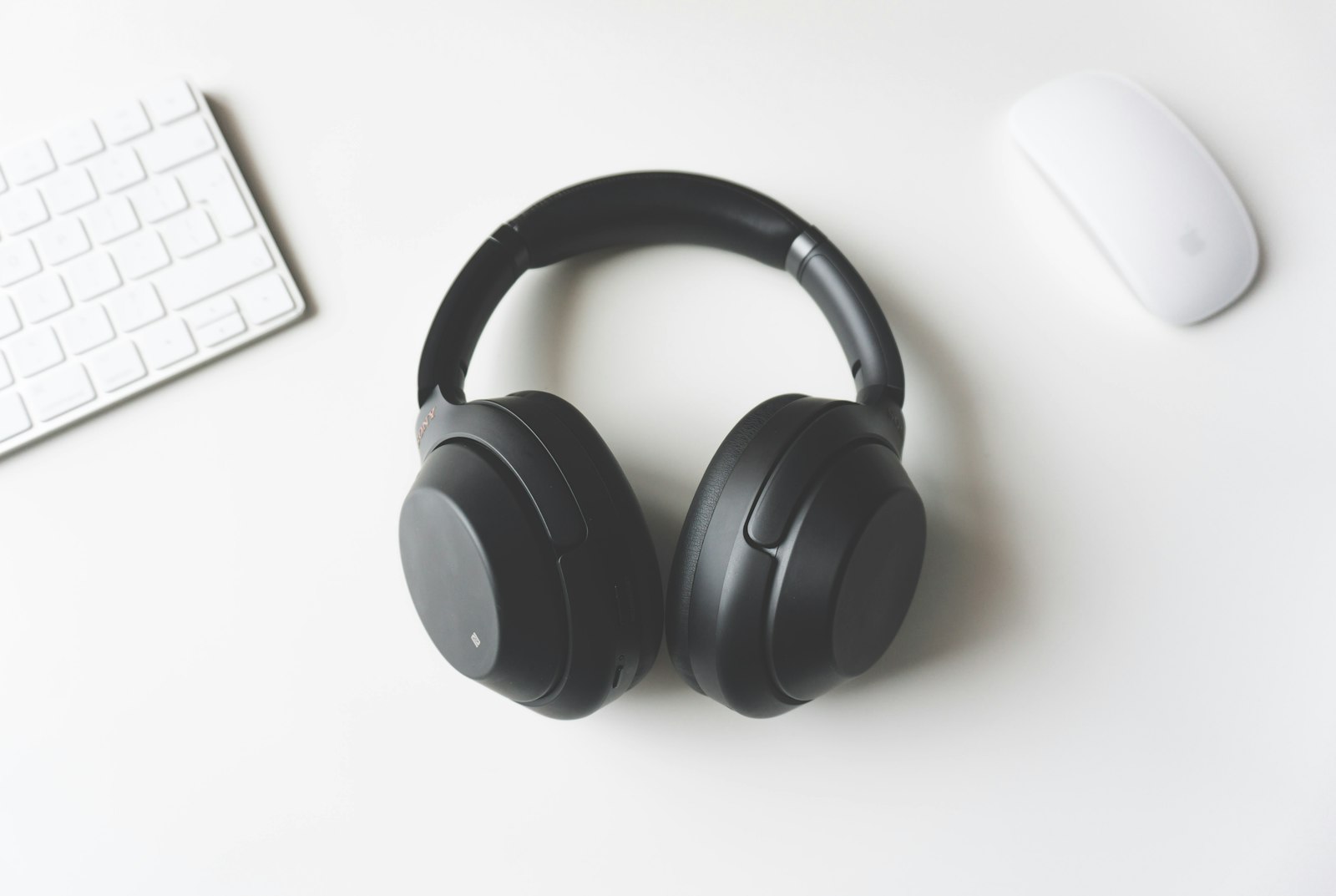
Two years after the original Sonos Ace landed with great looks and “almost there” musicality, Sonos is back with the Ace Ultra—same sticker shock energy, very different listening session. TechRadar’s Harry Padoan spent about two weeks living with them, and the short version is blunt: Sonos finally fixed the thing that kept the first Ace from hanging with Sony and Bose.
US pricing sits at $449 (about £399 / AU$699), matching what the original Ace cost at US launch while undercutting that debut price in the UK. The competition at that number is brutal—Sony WH-1000XM6, Bose QuietComfort Ultra Gen 2, Bowers & Wilkins Px7 S3—so “pretty good for a speaker company” was never going to cut it.
Musicality was the whole plot
Padoan’s side-by-side with the original Ace is the money quote energy of the review. Where the first Ace sounded confined and a bit mushy under pressure, the Ultra opens up: wider stage, cleaner instrument separation, bass that thumps without turning into a fog machine, mids that stay organized, treble that stays articulate instead of splashy. Next-gen custom 40mm drivers and a new Headphone Engine get the credit.
Are they the absolute best-sounding cans at the price? TechRadar still nudges the Sony XM6 and B&W Px7 S3 slightly ahead on pure musical detail. The gap is narrow enough that “among my favorite headphones of the year” is not reviewer poetry—it is a practical recommendation for people who care about music and movies.
Movies, Atmos, and the Sonos party trick
Spatial audio remains a Sonos flex. Dolby Atmos with head tracking turns living-room Blu-rays into a private cinema bubble, and TV Audio Swap with a compatible Sonos soundbar (Padoan used a Beam Ultra) dodges the Bluetooth latency tax. New for Ultra: Headphone Linking, which hands audio to and from compatible Sonos speakers so you can leave the living room without renegotiating the whole system.
That ecosystem glue is the Ace Ultra’s unfair advantage. If your house already speaks Sonos, these headphones stop being “another Bluetooth pair” and start being furniture that walks with you. If you do not own Sonos speakers, you still get a strong all-rounder—you just miss the party tricks.
ANC, battery, and the boring upgrades that matter
Sonos bumped the mic count to ten, shipped adaptive ANC that adjusts for fit and glasses, and made Aware/Voice Boost modes useful instead of novelty toggles. Padoan reports office keyboards, street traffic, and transit rumble getting properly muted, plus cleaner call pickup outdoors.
Battery hits a claimed 35 hours with ANC on—a bump over the Ace’s 30—and a three-minute charge for about three hours of play is the modern rapid-charge checkbox. EQ finally grows up: eight-band plus adaptive EQ instead of the original’s two-knob shrug. Bluetooth 6.0, multi-point, wear detection, aptX, and USB-C lossless (cable in the box) round out the nerd sheet. Weight lands around 322g.
Design wins, travel loses a little
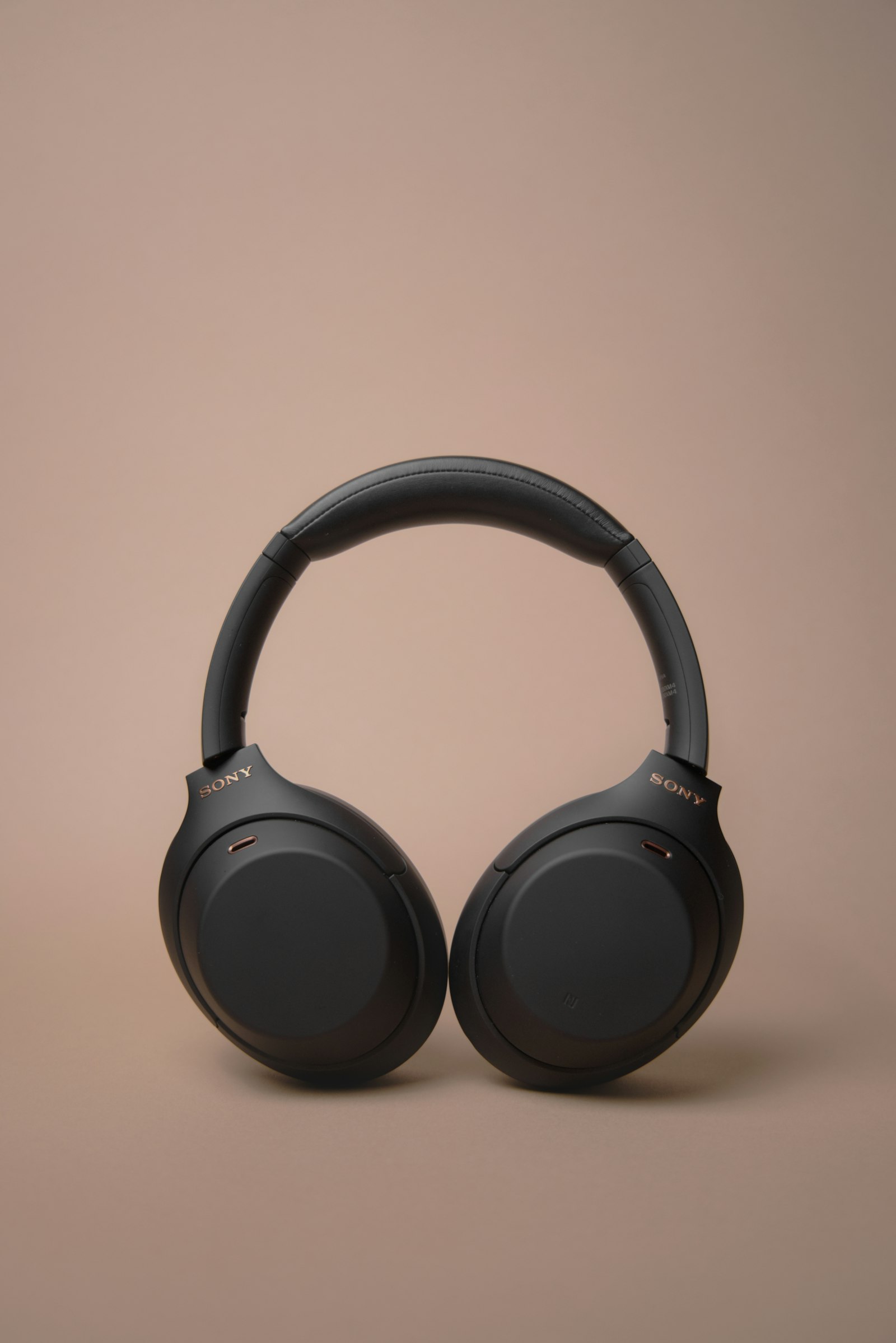
Visually, Ultra looks like Ace with confidence: Soft White, Black, Agave, Sand, flat cups, premium metals, tactile controls that may convert touch-pad snobs. Comfort and clamp balance well for long sessions. The gripes are travel-shaped: cups rotate flat but the headphones are not fully foldable, and the fuzzy zippered case feels cheaper than the cans it protects—especially next to Sony’s magnetic clamshell.
Geeknewz take
The Ace Ultra is the rare sequel that answers the actual complaint. Sonos did not invent a new headphone category; it stopped shipping a speaker-brand apology and started shipping flagship-competitive sound with a home-audio remote control vibe. Buy them if movies and a Sonos house matter. Buy the XM6 if fold-flat travel and best-in-class ANC are the religion. Either way, September 2026’s headphone shelf just got louder—in a good way.
Source: TechRadar (Harry Padoan)