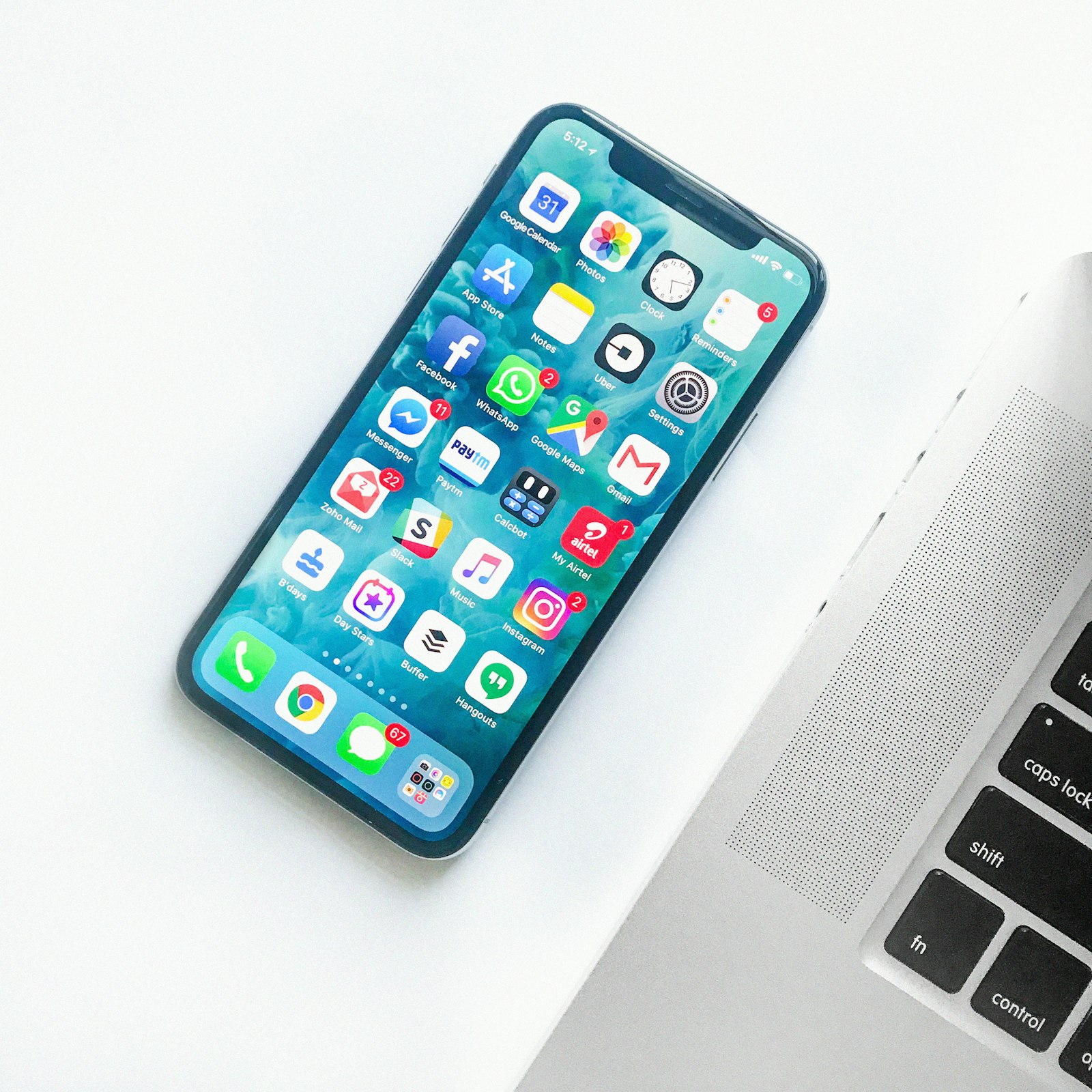
Most foldables ask you to become a different person the moment you leave the house. Google’s Pixel 11 Pro Fold mostly asks you to live like you already do—then unfold when a tablet would actually help.
BGR’s Connor Jewiss spent two weeks with the $1,899 Fold as a daily driver (including travel) and came away unexpectedly convinced. Not because the design reinvents 2024’s Pixel Fold silhouette—it largely does not—but because the 6.5-inch outer display keeps conventional smartphone proportions. Closed, it behaves like a candy-bar phone. Open, you get an 8-inch inner panel for split apps, reading, and the occasional “I need a map and an inbox at once” moment.
Specs that matter at this altitude
Inside: Google’s Tensor G6, a generous 16GB of RAM (the multitasking life raft the rest of the Pixel 11 line sometimes lacks), a triple camera with a new 48MP main, and a 4,750 mAh battery. Google claims the device is roughly three times more durable than last year’s 10 Pro Fold, with a gearless hinge, glass-fiber composite back, ceramic outer display, and IP68—still a real differentiator versus many foldable rivals.
Durability caveats remain. JerryRigEverything-style torture still cracked along antenna lines, echoing the prior Fold. Perfect invincibility is not on the invoice.
Design: thinner, lighter, still conservative
At about 239g and 10.1mm folded, the 11 Pro Fold is nearly 10% lighter and about a millimeter thinner than its predecessor. One half is slightly thinner than the other, leaving a small ridge when open—noticeable once you spot it, then mostly ignorable. Olive beat Obsidian for the reviewer. The side fingerprint reader felt faster than under-display siblings; face unlock stayed quicker still when light cooperated.
Compared with passport-style rivals like Samsung’s Galaxy Z Fold 8 and Apple’s incoming iPhone Duo, Google is betting that “looks like a normal phone shut” beats “looks like a tiny book.” If you prefer short-and-wide closed shapes, you already know which camp you are in.
Two screens, two personalities
Both Super Actua panels peak around 3,600 nits on paper and are claimed ~20% brighter than last year. The outer 6.5-inch 120Hz panel (1080×2342, ~399 PPI) is the daily driver—readable outdoors, thinner bezels than before, short of the Pixel 11 Pro XL’s pixel density.
The nearly square 8-inch inner display (2076×2152) shines for email, social, and dual apps, then softens for media. Widescreen video letterboxes hard; zooming on YouTube can still beat the XL’s absolute picture size after crop. The crease remains visible and tactile—better marketing language from Google, not a miracle—and more noticeable than the Fold 8’s crease in the reviewer’s hands.
Performance, cameras, and the Tensor tax
That 16GB RAM is the Fold’s secret sauce inside the Pixel 11 family. Heavy multitasking that stuttered on the 11 Pro XL stayed smoother here; switching between outer and inner layouts felt less like rebuilding memory from scratch. Thermals stayed surprisingly polite. Gaming still is not the pitch: Tensor G6 trails Snapdragon rivals on graphics and still lacks ray tracing. Buy a Fold for Pixel software and cameras, not esports flex.
Cameras are a foldable highlight: 48MP main on a larger sensor, ultrawide with autofocus/macro, and a 10.8MP 5x telephoto with AI-assisted zoom toward 30x. Results sit among the best foldables of 2026, with classic Pixel processing. Trade-offs versus slab Pros include no 120x Pro zoom headline and video capped at 4K rather than 8K. Magic Capture remains cool in demos and uneven in practice; HiLight still feels like a brightness-taxing gimmick.
Battery and charging: the soft underbelly
Google rates “over 24 hours.” Real life in the review landed nearer 5–6 hours of screen-on time—fine for bedtime arrival, not a two-day Fold. Wired charging tops out around a 30W story; reaching ~50% took closer to 40 minutes in informal timing, with a full charge near two hours. Extreme charging mode is an opt-in thermal compromise, not a free wattage fairy.
Qi 2.2 wireless up to 25W with Pixelsnap magnets is the redeeming desk feature—MagSafe-style accessories just work, and propped foldables actually want magnets.
Software and the seven-year lease
Android 17 stays clean. Bubble-style floating windows plus split screen cover most people; Samsung’s desktop windowing remains deeper for power users. Seven years of OS, security, and Pixel Drop updates stretch support to August 2033. Gemini can feel pushy replacing Search chrome; Rambler dictation remains one of the AI features humans actually reuse.
Should you buy it?
At $1,899, it ties the Z Fold 8 and sits under the Duo’s $1,999 ask. Inside Google’s lineup, the $1,099/$1,299 Pro slabs still win pure photography value. Last year’s 10 Pro Fold is the discount ticket into a similar shape with older trade-offs.
Geeknewz take: if you want a Pixel that spends most of its life as a normal phone and occasionally becomes a tablet, the 11 Pro Fold finally sells that story convincingly. If you want passport proportions, blistering games, or two-day battery swagger, keep shopping the rival aisle.
Source: BGR