
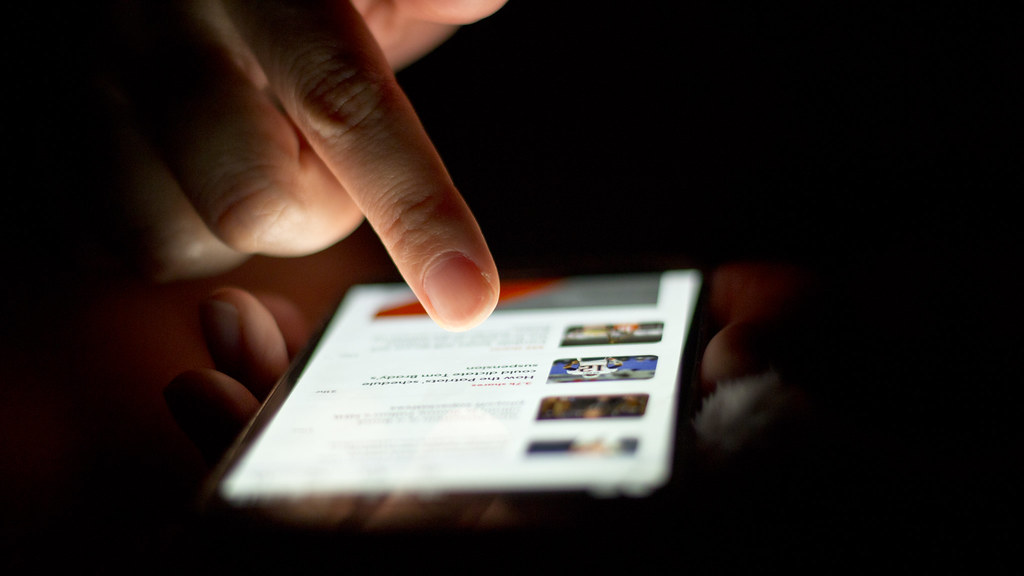
Peacock put an AI Andy Cohen on the mobile homepage on October 13, and the face is the part that will travel. The product under it is a swipe. Your Bravoverse is live in the Peacock app for all subscribers: a personalized feed of Bravo clips, a video avatar of the Watch What Happens Live host, and a tap that opens the full episode or the season from the clip in your hand. NBCU built the feed for repeat visits between episodes, and it retunes as you linger or skip.
"Bravo fans never watch just one episode," Cohen said in that launch statement. They want the receipt and the fight from three seasons back. The avatar narrates the pile. The feed starts a pile you didn't go looking for. Short clip, full episode, then another day of the same motion. That habit loop is the thing worth judging.
The tap under the clip
Bravo's Daily Dish puts Your Bravoverse on the Peacock mobile homepage. You scroll vertically through playlists, swipe horizontally into other categories, and tap a clip to open the episode or the season. The playlists mix the latest buzz with never-before-seen moments from current seasons and from the archive. For now, you get it in the mobile app.
The Verge notes that NBCU announced this in March for a summer window, and that the October launch is later than that. Variety calls the feed TikTok-style and says NBCU assembles it with AI and human editors from more than 5,000 hours of Bravo footage, with the company putting unique viewing variants above 600 billion. Both figures are NBCU's claim. You won't meet 600 billion feeds.
The gesture matches a short-video app. The business is the door under the clip. The bet pays off when you're inside a Bravo season you didn't search, and you'll notice whether that clip opens a show you would have typed into search. The same report carries the fan results NBCU wants next to the bet. Superfans watch up to 75 Bravo episodes a month. Bravo viewers on Peacock watch 92% more non-Bravo content than the average viewer on the service. That second result is why Bravo stayed when CNBC and USA moved to Versant. People show up for the reunions and then stay for the rest of Peacock. A swipe feed aimed at that behavior is a retention tool. The generated host is the poster on the door.
Hold those two results together. A superfan already watches in stacks, so the feed's job is to pick the door. The 92% gap is why Peacock cares which door gets picked. Bravo viewers are already the people who wander into the rest of the app, and the launch note says the scroll is supposed to open more paths into the full catalog. Daily swipes from a fandom that stays are the product. A one-off clip of the avatar is the ad for it.
When the host says the brand
A sponsor inside the host is the part that can travel past Bravo. The launch note gives advertisers a path through the session, including the avatar referencing the brand while you're still in the clip. Wendy's goes first, on a Bravo relationship that already ran through BravoCon, talent, and custom spots. Once a generated host can name a sponsor in the middle of a reunion moment, every streamer with a famous face and a sales team has a template. Watch who copies it. The likeness can be flawless and the line can still be an ad.
Set this beside Netflix using AI on about 300 titles, where the tools sit in production on shows you still can't pick out, and this model is the discovery feed on the homepage.
Peacock is also the streaming home for Bravo Fan Fest Charleston on October 24.
If Bravo is already your habit, open the homepage and watch your own hand. The useful test is whether the feed sends you into episodes you wouldn't have searched. If the network isn't yours, you can ignore the avatar. If you subscribe somewhere else, watch for a sponsored AI host built on this shape. Treat AI Andy as packaging.
Photo: Japanexperterna.se / Wikimedia Commons, CC BY-SA 2.0.
