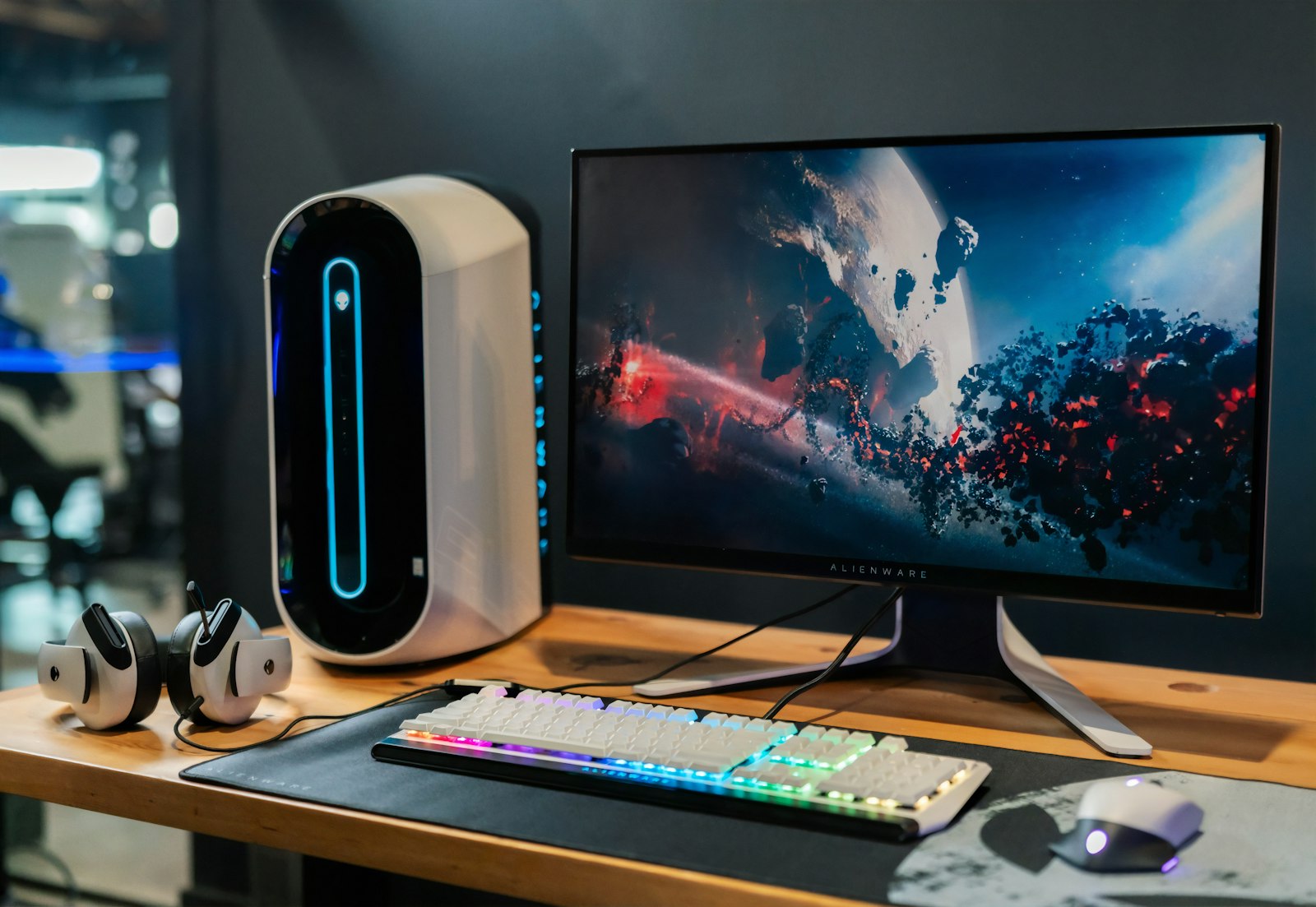
Nvidia’s AI product leadership is done treating on-device models as a hobbyist side quest. In a Tom’s Guide interview published September 20, 2026, Adel el Hallak—described in the piece as Nvidia’s VP of Product / senior AI product lead—says he already keeps a DGX Spark humming at home overnight, and argues the consumer case for local AI is finally real: your prompts and files never have to leave the house.
“At home I feel guilty if I don’t kick off my job for it to work on all night,” el Hallak told Tom’s Guide. The machine is quiet. It’s plugged in anyway. That appliance energy is the point.
Cloud tokens vs. a box you own
Most people still meet AI through a browser tab. Data goes to someone else’s data center; a reply comes back; the meter runs. El Hallak’s pitch is ownership. Run a “good enough” model on hardware you bought, skip per-token billing, and keep documents local.
The money math in the interview is deliberately blunt. A DGX Spark lists around $4,699. A ChatGPT Plus plan at $20/month is about $240/year—roughly $1,200 over five years—and you still own nothing. The Spark, by contrast, offers unlimited local queries with no usage caps and no required internet path for the model itself.

Tom’s Guide (and el Hallak) concede the comparison is imperfect: frontier cloud models like GPT-6 and Claude still outclass the open models you’d typically run on a Spark. For summarization, drafting, personal file search, and coding help, though, 128GB of unified memory plus Nvidia’s CUDA stack is framed as “more than enough” for a growing task list.
From Linux mini-supercomputer to Best Buy energy
DGX Spark launched last October as Nvidia’s “world’s smallest AI supercomputer”—Linux-first, ~2.6 pounds, Mac Mini–sized, aimed at developers and researchers. The software layer is what Tom’s Guide says is tipping it toward consumers. Perplexity’s Portable Computer package, covered earlier by the same outlet, wraps a local model, agent tools, connectors, and a sandboxed runtime on Spark hardware: start every task locally, and only escalate a step to the cloud with permission.
El Hallak points at “harness” vendors making installs feel like classic GUI app setup instead of pip archaeology—“like the old days of using Windows.” The analogy Tom’s Guide reaches for is NAS boxes: the silicon existed for years; approachable software made Synology a living-room product.
RTX Spark laptops are the real consumer swing
The desktop Spark is the proof of concept. The bigger bet in the interview is RTX Spark notebooks packing the same GB10 silicon, expected this fall from Dell, HP, Lenovo, Asus, MSI, Acer, with Microsoft building a Surface Laptop Ultra around the chip. These are full Windows 11 machines that also game and do normal laptop work—but 128GB unified memory means they can host LLMs that crush typical consumer GPUs.
“The fact that you will have the model running locally with a harness and a runtime that are made easier to install—I think it’s going to really usher in local AI,” el Hallak said. His punchier closer: “Data centers in the house.”
Geeknewz take
Local AI will not kill ChatGPT tomorrow—frontier models still live in the cloud for a reason. What changed this weekend’s framing is who is saying it: Nvidia’s own AI product chief is already living with a personal AI computer and selling the ownership story right as agents get hungrier for calendars, mail, and files. Watch the fall RTX Spark laptop wave; if the harnesses are as “double-click” as advertised, the $20/month habit finally has a credible hardware counterweight.
Source: Tom’s Guide — Nvidia says ‘local AI is here’ — and it could change how you use AI at home (Amanda Caswell, Sep 20, 2026).