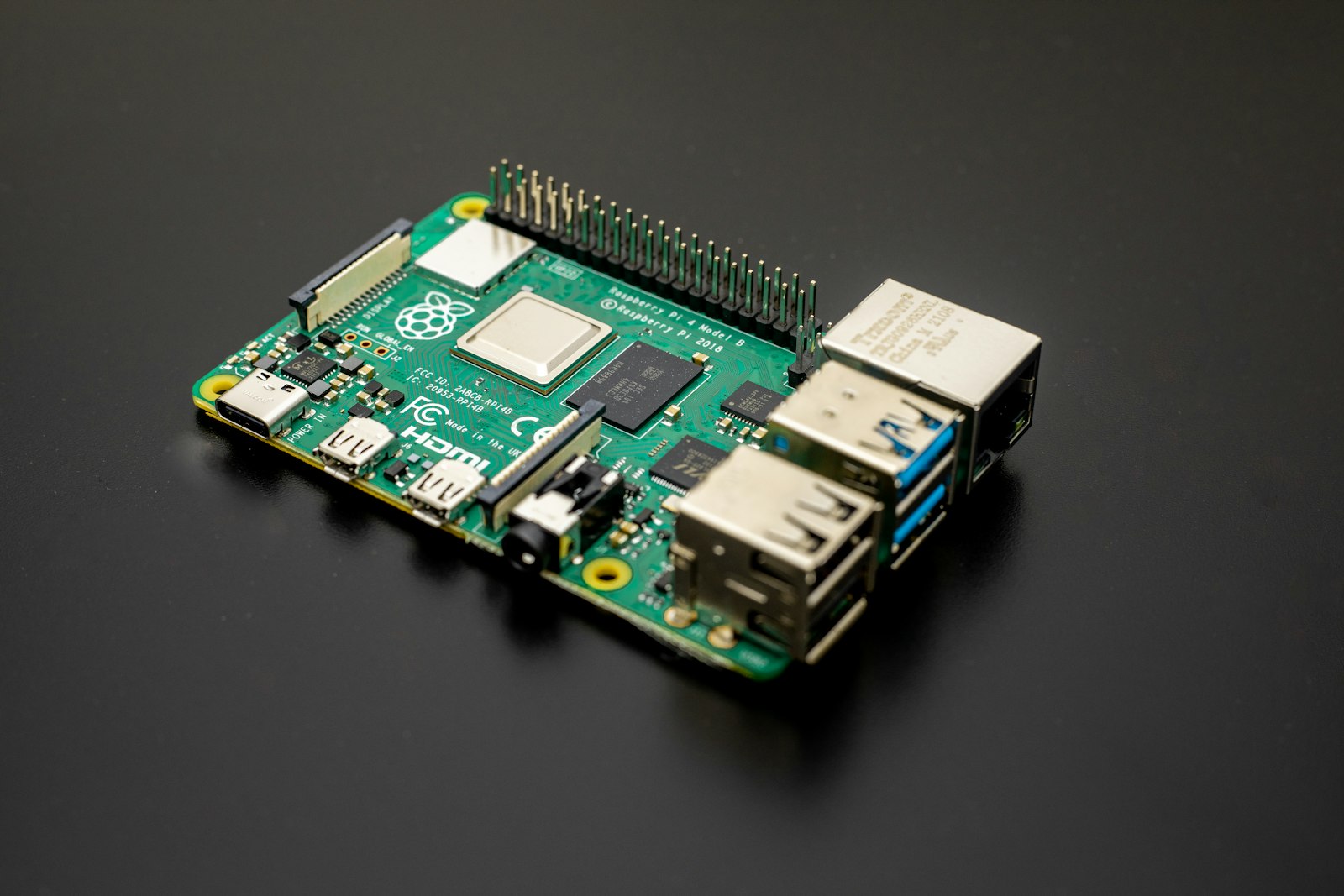
Geeknewz exclusive maker map of Meta's Muse Gadgets launch, built from Meta's Muse Gadgets site, the Home Link hardware page, and independent coverage from TechCrunch and The Verge. No invented inventory counts or unpublished kit prices.
Meta spent the last few weeks selling Muse as a do-everything desktop agent. On October 2 it handed the same agent a workbench. Muse Gadgets is an open-source project: Apache 2.0 firmware and SDKs so you can wire Muse into an ESP32 board, a spare Raspberry Pi, an e-ink panel, or an HDMI stick that parks the agent on a TV.
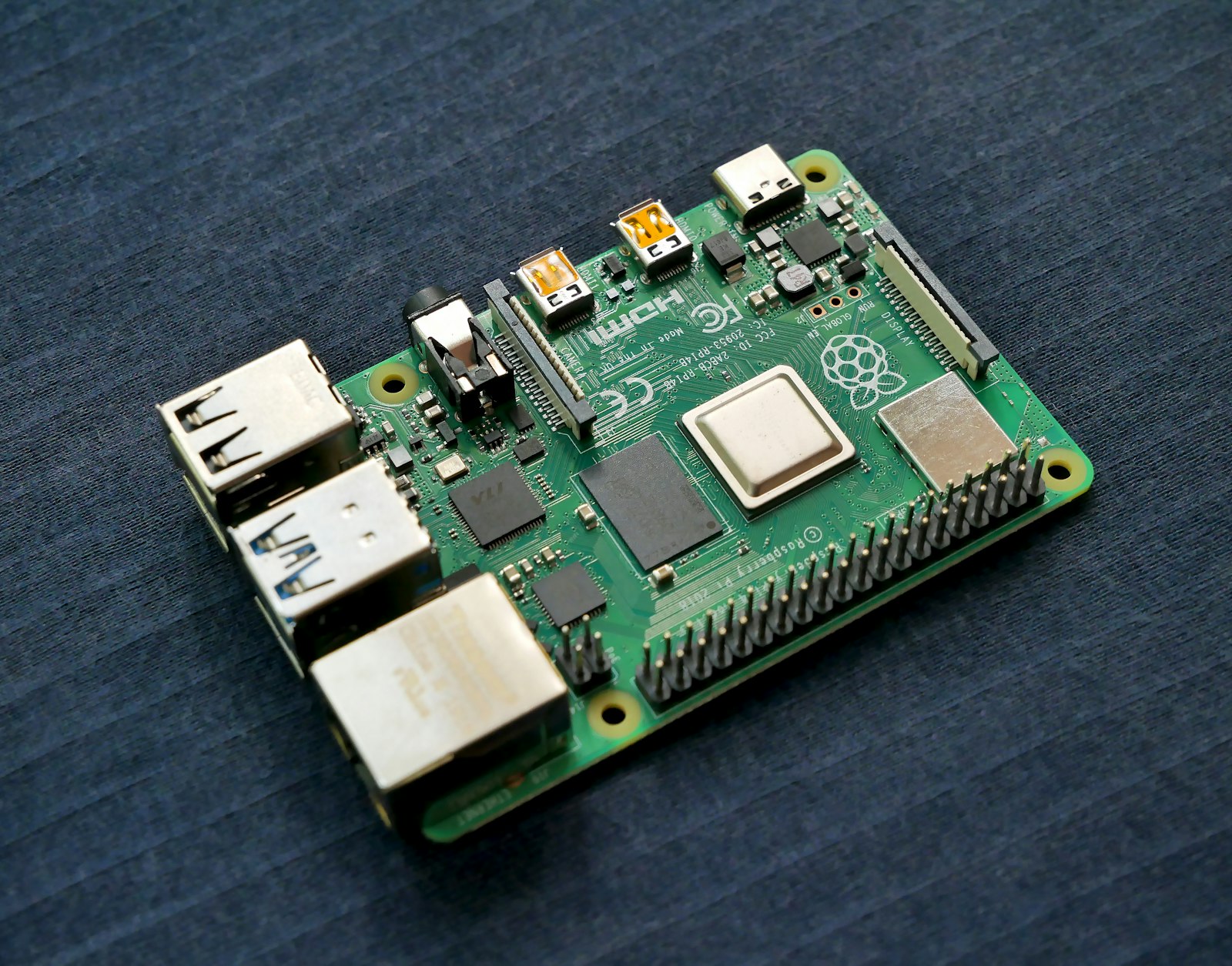
That is a different product shape than another Charm-style accessory. You bring the hardware. Meta brings the glue. Here is how the three real paths compare, what the free Home Link actually is, and who should bother this weekend.
Three ways onto Muse's workbench
| Path | What Meta ships | What you bring | Rough cost to start | Best for |
|---|---|---|---|---|
| ESP32 Device SDK | Open-source firmware / SDK (Apache 2.0) | Off-the-shelf ESP32 (or ESP32-C5 class) board, optional screen, mics, sensors | Board kits often land in the ~$5–$30 range before enclosure | Buttons, LEDs, small displays, custom gadgets |
| Linux Device SDK | Linux SDK for Muse gadget commands | Raspberry Pi or any Linux box; optional Home Assistant hooks | Used Pi Zero / Pi 4 / spare NUC you already own, or ~$35–$75 for a new Pi | Sysadmin chores, local HTTP APIs, home automation bridges |
| Muse Home Link | Finished USB-C gadget (official firmware only) | Active Muse subscription; US shipping address | Free (1 per subscriber, while supplies last) | People who want Muse on home Wi-Fi without soldering |
The ESP32 and Linux paths are the real open-source story. Meta's site is blunt about risk: bricked boards, voided warranties, brownouts. Treat that as the product brief, not a joke. Home Link is the polished reference device Meta built on the same ESP32 SDK, then locked so you cannot reflash it.
Home Link specs and the 5,000-unit math
Per the Home Link page, the gadget is a 35 × 42 × 10 mm USB-C/USB-A stick on an Espressif ESP32-C5 (32-bit RISC-V at 240 MHz) with 8 MB PSRAM, 8 MB flash, and Wi-Fi 6 on 2.4 and 5 GHz. You plug it near your router, pair over Bluetooth LE in the Muse app, pick a Wi-Fi network, then ask Muse to reach devices that expose a local HTTP API. Community skills on GitHub already name Philips Hue, Sonos, Apple TV, Nest speakers, and Samsung TVs as examples Meta does not warrant.
Nat Friedman (Meta Superintelligence Labs) said Meta made 5,000 Home Links for a US-only subscriber giveaway, one per account, shipping in October. TechCrunch noted his announcement post drew nearly 30,000 views in a few hours. Even if only one in six viewers were eligible US Muse subscribers who actually claimed a unit, 30,000 ÷ 6 ≈ 5,000, which is the entire production run. You do not need that crude filter to see the point: a five-thousand-unit freebie against a viral agent launch is a sample, not a mass accessory program. If the claim form still shows stock when you read this, grab it. If it does not, the DIY SDKs are the durable product.
How this fits Meta's wider Muse push
The same week, Meta rolled Muse for Small Business (free with usage limits, hooks into Shopify, Dropbox, Slack) and stood up a Meta Enterprise Platform unit. Muse Gadgets sits on the opposite end of that funnel. It is not enterprise procurement. It is a Discord, a GitHub-shaped SDK, and a dare to put Muse on whatever is already on your desk. The Verge's write-up flags project ideas Meta itself floated: color e-ink reminders, HDMI sticks, small touchscreen DIY Charms.
That matters because Muse's desktop story has been messy on permissions. A free ESP32 on your LAN that only talks to devices you wire up is a narrower blast radius than Full Disk Access on a Mac. It is still an always-on agent with reach into lights and TVs, so treat community skills as fun, not as home-security infrastructure. Meta says the same on the Home Link page.
Geeknewz verdict
Geeknewz's view: if you already run Home Assistant or keep a Pi in a drawer, the Linux SDK is the interesting path. You get Muse as another local brain without waiting on Meta's freebie queue. If you just want Muse to flip a Hue bulb and you still have a US subscription claim left, take the Home Link and skip the soldering iron. Casual Muse users who never opened a Discord should ignore the launch entirely. Open-source firmware does not fix Muse's bigger trust questions on the Mac; it just gives tinkerers a sandbox where the failure mode is a bricked board instead of your Messages history.