
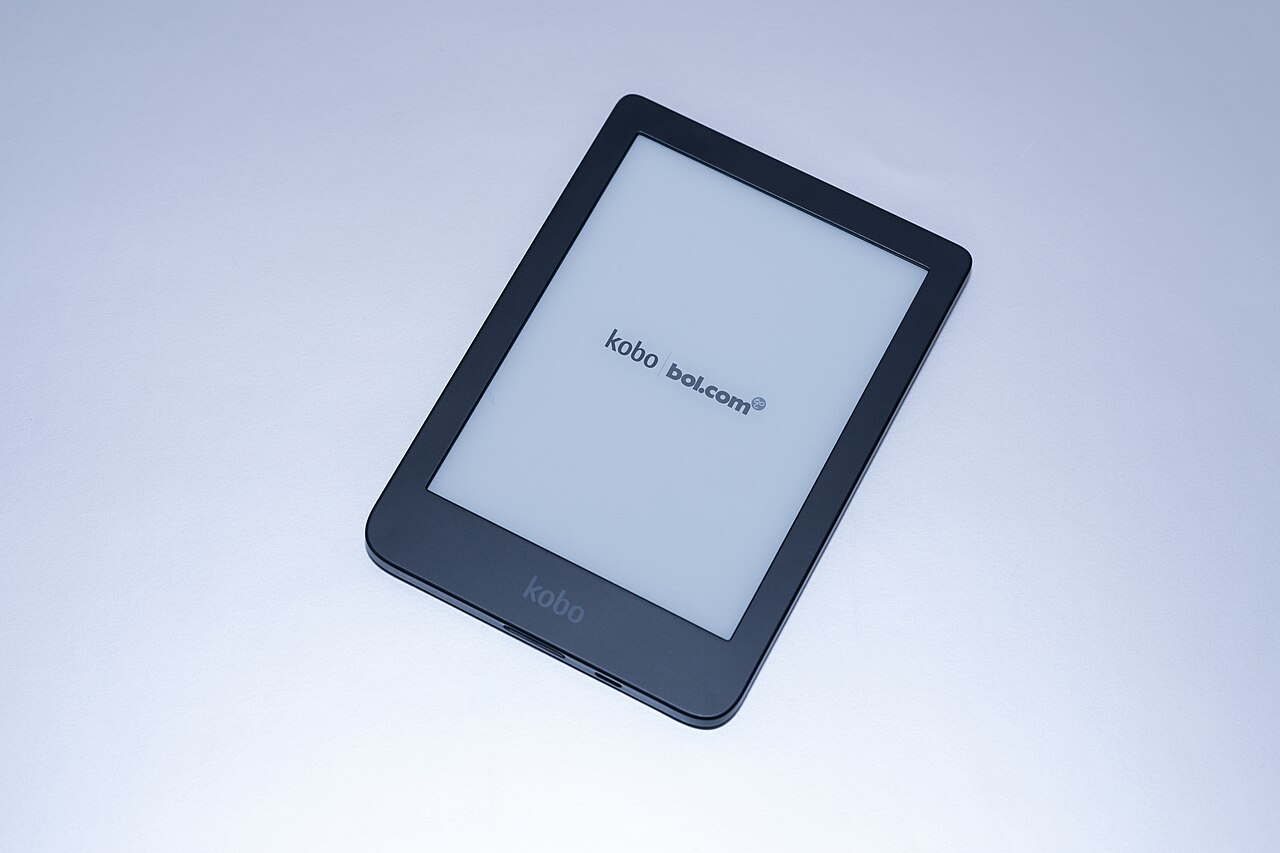
The e-reader that fits your reading life is the one that can deliver the books you actually want. If you expect to borrow most of them, your library’s catalogue deserves a place ahead of colour screens and storage capacity in the buying decision.
Our advice is to reverse the usual comparison. Start with a short reading list, establish which borrowing route works for it, then choose the hardware you’ll enjoy holding. That approach won’t produce one universal winner between Kindle and Kobo. It will help you avoid paying for a lovely screen that leaves your main source of books on another device.
Library access changes the shortlist
The first distinction is geographical. OverDrive’s Kindle guide says Kindle Books are available through US libraries only. It also explains how to filter Libby’s catalogue for titles that can be read with Kindle. That restriction concerns the library service; don’t assume an e-reader’s availability in your country means your local library can supply it with ebooks.
For someone borrowing from a Canadian or British library, this can settle an important part of the decision before a screen comparison begins. For someone with an eligible US library card, Kindle remains a candidate. Neither situation tells you whether the specific books you want are available in the required format.
Kobo has a different set of boundaries. Its guide to borrowing on Kobo e-readers lists supported countries and models, including Canada, the UK and the US, and devices such as the Clara BW and Libra Colour. The library must participate, and the guide warns that the Kobo and library catalogues don’t completely overlap. Built-in borrowing is a useful route, not a promise that every book is waiting for you.
That is why “works with Libby” is an incomplete buying criterion. You need the right combination of library, title and device. Treat those as three separate checks rather than one reassuring logo. If your library uses a different lending service, check that service’s device guidance instead; these Libby routes aren’t a universal map of digital borrowing.
Try a reading list before buying hardware
Make a list of ten books you plausibly want to read next. Include a favourite author, something a friend recommended and a title outside your usual habits. This is a personal sample, not a scientific ranking of either platform.
Search your library’s digital catalogue for each book. Note whether it’s available as an ebook, whether your proposed reading route supports it and whether you could borrow it now or would need to wait. Keep audiobooks separate: finding the audio edition doesn’t answer whether the text is available on your chosen reader.
Kobo’s Libby explanation makes two further limits explicit: Libby audiobooks can’t be played on Kobo e-readers, and an ebook borrowed through this Kobo integration must also be sold on Kobo.com. It also explains that lending availability depends on library licences, with popular titles potentially requiring a hold. A supported device won’t remove that queue.
Now ask what you’ll do when your first choice isn’t available. If you’re happy to read another book while waiting, borrowing may suit you well. If you want a particular release immediately, leave room in your plan for purchasing it or choosing another format. Don’t justify a device’s price with imaginary savings on books your library can’t supply when you want them.
This exercise also gives a gift buyer a better question to ask. Instead of guessing whether the recipient wants a bigger screen, find out where they get their books. A gift that fits an existing borrowing habit is more useful than one that requires them to change it.
Comfort still gets a vote
Library access shouldn’t override accessibility or comfort. If a larger display, physical buttons or a particular reading layout makes the difference between reading comfortably and not reading at all, put that need first. The sensible shortlist is the overlap between usable hardware and a workable supply of books.
Nor is this an argument that everyone should borrow everything. A reader who prefers to buy books can reasonably prioritise the store they use. Someone content with their current phone or tablet may discover that they don’t need another device yet. The reading-list test is valuable precisely because “buy nothing” remains a possible result.
Before ordering a Kindle or Kobo, check your library’s current device guidance and the actual books on your list. Then compare screens, controls and price among the options that remain. Choose a reader for the books you’ll put on it, not the collection you hope a compatibility badge guarantees.