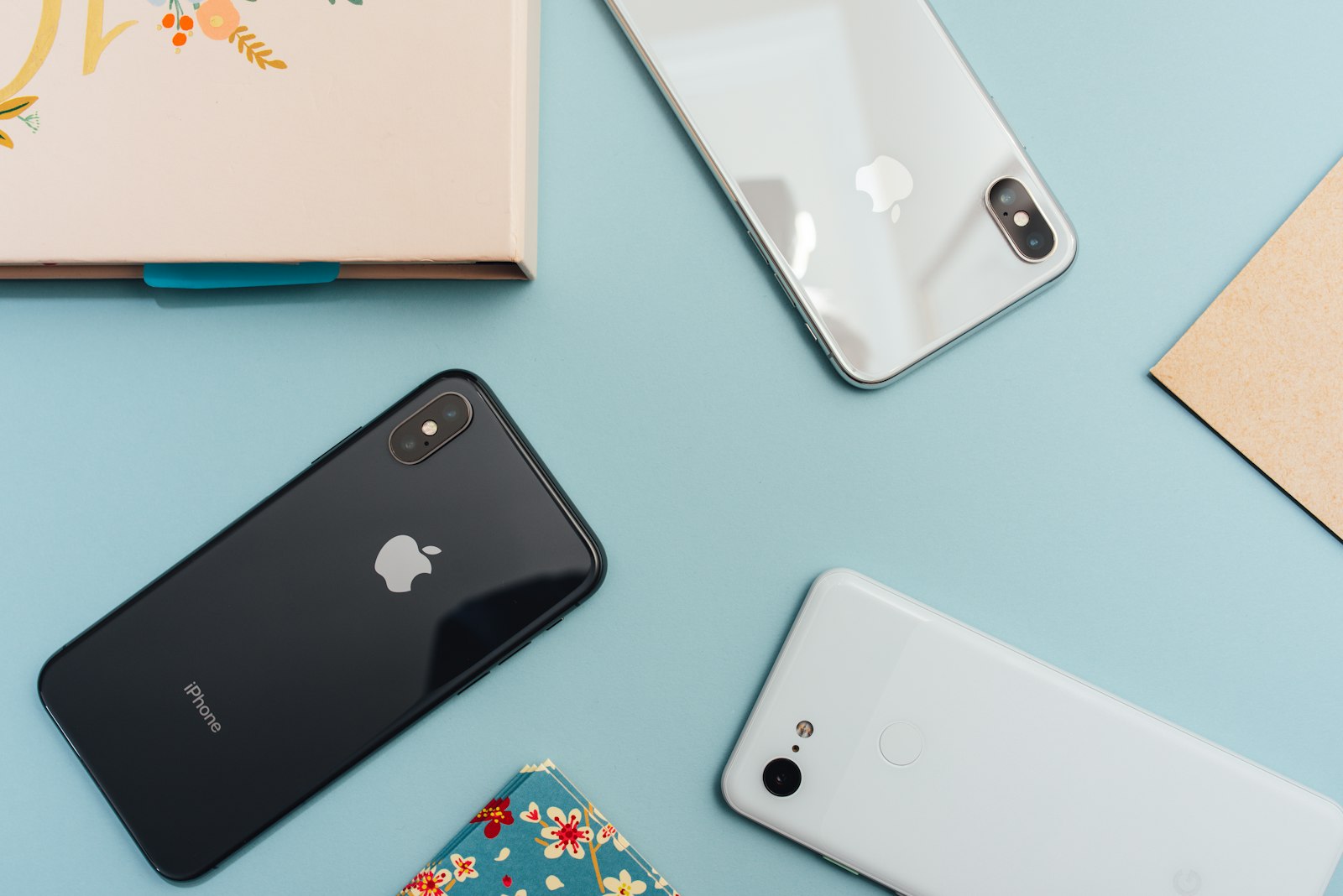
Apple sold the iPhone 18 Pro camera story as a mechanical iris you can click through like a grown-up camera. The Verge’s Antonio G. Di Benedetto, after a hands-on at Apple Park, has a spicier verdict: the variable aperture itself is going to be mid. The gift that keeps giving is the new f/1.48 wide-open setting.
Both the iPhone 18 Pro and Pro Max put an adjustable mechanical iris in the main camera module. You can shoot at f/1.48, f/1.8, f/2.8, and f/4, or let the phone pick. That dial sits next to a broader set of pro controls that finally land in the native Camera app: manual shutter speed, white balance, and even manual focus—stuff that used to mean installing Halide and pretending you were on assignment.
On paper, that is a lot of knobs for a pocket computer. In practice, Di Benedetto says you should temper the iris hype.
Why variable aperture is a mixed bag on phones
Smartphone sensors are still tiny. At normal subject distances, plenty is already in focus even wide open. Stopping down to f/4 on a phone is not the same magic trick it is on a full-frame body. Diffraction can make f/4 less sharp than f/1.8 or f/2.8. The situations where stopping down helps are oddly specific: more depth of field on close-ups, keeping more people sharp in bright group shots when nobody lined up for the reunion photo, and taming video in harsh sunlight.
Useful? Sometimes. Everyday hero feature? Probably not. Di Benedetto notes Samsung and Xiaomi already flirted with variable apertures and quietly moved on—which is the kind of industry trivia that should make Apple fans pause before declaring the iris the new Night mode.
So if the four-stop mechanical flex is mostly a party trick after the honeymoon week, what is actually new that you will feel at 11 p.m. outside a bar?
f/1.48 is the headline
Last year’s Pro main cameras topped out around f/1.7. The 18 Pro’s f/1.48 should gather more light and deliver a slightly shallower depth of field. Will the bokeh gap from 1.7 to 1.48 melt faces? Probably not. Will people still like the look of a little more separation from the background? Absolutely—Portrait Mode exists because humans are addicted to creamy blur, even when the sensor physics are working overtime.
Di Benedetto’s photography-industry background shows here. On full-frame he reaches for fast glass like a 50mm f/1.2 because subjects pop. An iPhone will not fake that look completely. But chasing the same aesthetic is why these apertures matter, and why “forget stopping down, man” is the most honest sentence in the piece.
Manual controls without the App Store detour
Separate from the iris debate: having shutter, white balance, and focus in Apple’s own Camera app is a quality-of-life win. Power users stop juggling third-party apps for basic intent. Casual shooters can ignore the dials until they need them. The Verge’s takeaway is that the 18 Pro camera will still be excellent the way flagship phone cameras are excellent—and that after the novelty wears off, many people will stop fiddling with aperture while quietly benefiting from that brighter maximum every night.
Geeknewz translation: Apple shipped a mechanical story and a physics story. The mechanical story is fun hardware theater. The physics story—more light, a bit more blur, fewer Halide installs—is what will still matter when the keynote fog clears.
We’re leaving Apple’s wider “Reference Image” authenticity chatter for another piece. This one is about the lens you actually point at dinner.
If you buy a Pro for photography, treat the iris like a spice rack: useful when the scene calls for it, irrelevant for most snapshots. Leave the phone on f/1.48 when light is ugly, stop down when a close subject needs more of the frame sharp, and enjoy that shutter and white-balance finally live next to the shutter button without a sidequest into the App Store.
Source: The Verge — The variable aperture isn’t the cool part of the iPhone 18 Pro’s camera (Antonio G. Di Benedetto, Sep 10, 2026).