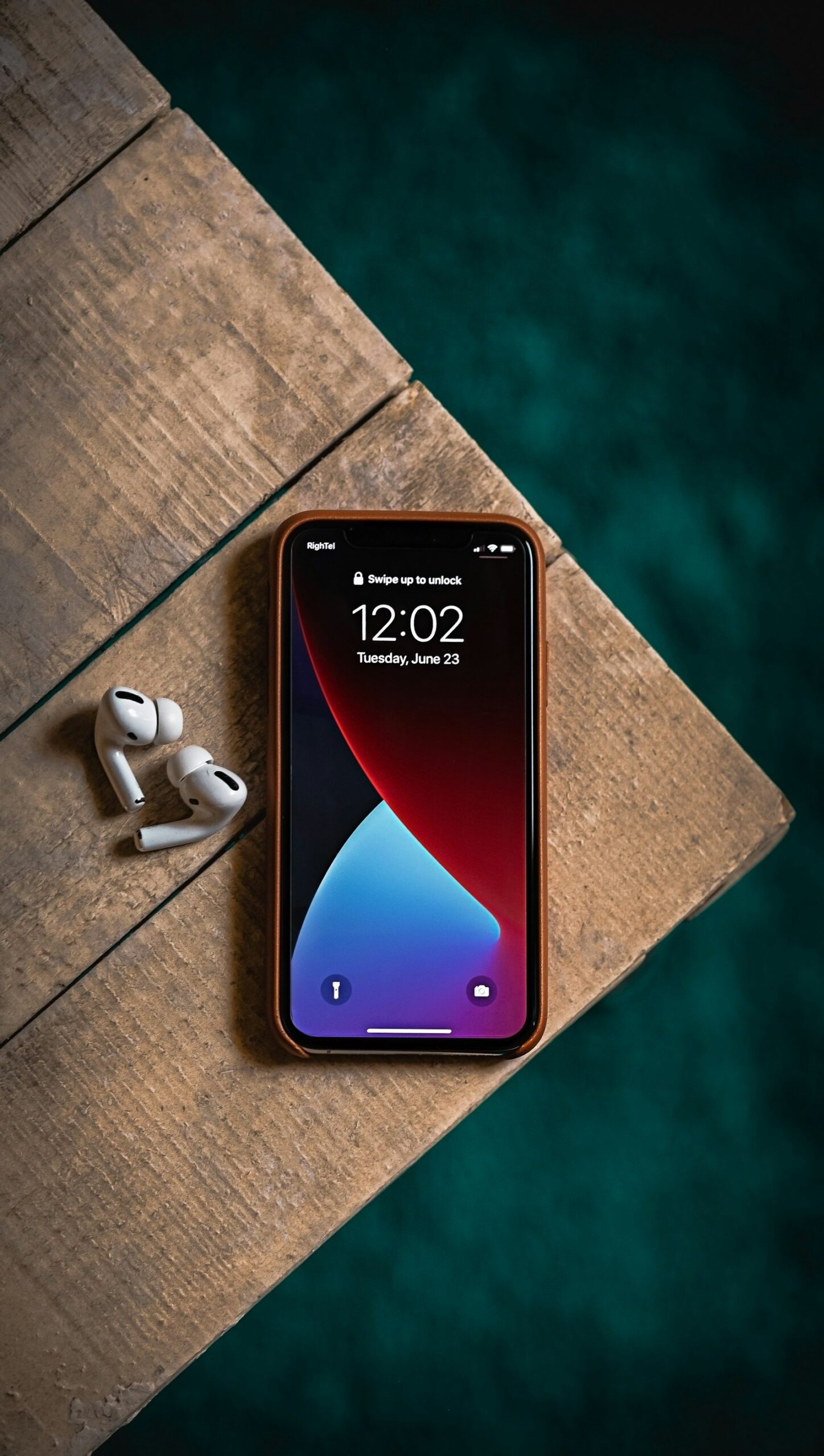
Apple’s biggest iPhone battery upgrade came with a logistics asterisk. According to 9to5Mac, a new Apple support document explains that the iPhone 18 Pro Max packs a single-cell battery over 20 watt-hours (Wh)—large enough to trigger extra shipping rules in most countries—and iOS 27 now includes a dedicated Prepare to Ship feature to stay compliant.
Chance Miller’s Sep 19 report walks through the weird-but-practical problem: battery life marketing loves bigger cells, while transport regulations treat oversized lithium packs as a special case. Apple’s answer is firmware, not a smaller battery.
Factory shipping vs. real-world mailing
Per Apple’s guidance as quoted by 9to5Mac, the Pro Max uses an “innovative battery-firmware solution” that limits capacity below 20 Wh from manufacture through factory transport. When you activate the iPhone, that limit lifts and full charging capacity becomes available. In other words, the phone leaves the factory in a capped state, then unlocks the whole pack after setup.
That factory trick does not cover every later shipment. The same over-20 Wh rules can apply when you send a Pro Max for repair, trade-in, return, resale, or gifting. For those moments, Apple added Prepare to Ship inside Settings.

How Prepare to Ship works
The path, according to 9to5Mac’s reading of Apple’s document: Settings → General → Transfer or Reset iPhone → Prepare to Ship. The feature discharges the battery below 20 Wh and sets a charge limit so it stays under the threshold. Apple warns the phone may warm up while discharging—expected behavior—and cools once the process finishes.
Timing depends on starting charge. 9to5Mac notes it might take only a few minutes, or up to a couple of hours from a full battery. You can keep using the device during discharge. When it is done, Settings shows “Ready to Ship” with a red badge. One catch Apple flags: if you erase the iPhone, you will not be able to use it while the battery is still discharging for Prepare to Ship.
Why Geeknewz cares beyond the footnote
This is a rare case where a flagship hardware brag forces a visible OS feature. The Pro Max’s battery jump is part of Apple’s 2026 pitch alongside the variable-aperture camera system and A20 Pro silicon; PhoneArena and other outlets have been stress-testing endurance claims all week. Prepare to Ship is the unglamorous companion: proof the cell really crossed a regulatory line that prior iPhones did not.
For buyers, the practical checklist is simple. Everyday carry and normal air travel with an activated phone are not what this mode is for. Mailing the device—AppleCare repair depot, carrier trade-in box, selling to a friend—is when you should hunt for the red “Ready to Ship” badge first. Skip it and a carrier could refuse the package or bounce it under lithium-battery rules.
What changed versus prior Pro Maxes
Prior Pro Max generations lived under the 20 Wh single-cell line that most postal and air-cargo rules treat as routine consumer electronics. Crossing that threshold is why Apple needed both a factory-side firmware cap and a user-facing discharge mode. It is also a quiet admission that the 2026 endurance push is not only software efficiency or the A20 Pro process node—it is a physically larger energy store that regulators notice.
MacRumors and other Apple-centric outlets echoed the same support document on Sep 18–19, stressing that ordinary activated carry and typical passenger air travel are not the scenarios Prepare to Ship targets. The feature is for when the phone itself becomes the cargo. That distinction matters for confused owners who might otherwise drain a phone before every flight and wonder why Apple invented a red badge.
Retail and repair ecosystems will feel this too. Carrier trade-in desks, Apple Stores shipping machines to repair centers, and online marketplaces that mail devices overnight now have a new preflight checklist item unique to the 18 Pro Max. Expect “Did you Prepare to Ship?” to become the lithium-battery equivalent of “Did you turn off Find My?” within a few weeks of volume shipping.
Geeknewz take
Apple just turned a compliance problem into a Settings toggle, which is peak Apple: hide the regulatory complexity behind a clean label. The deeper signal is hardware ambition—the Pro Max cell is big enough that software has to babysit it for logistics. If you own one, bookmark Prepare to Ship before your first repair or trade-in, not after the shipping label is already printed.
Source: 9to5Mac — iPhone 18 Pro Max’s battery is so big Apple had to add this new feature to iOS 27 (Chance Miller, Sep 19, 2026); Apple’s related support document as cited therein.