
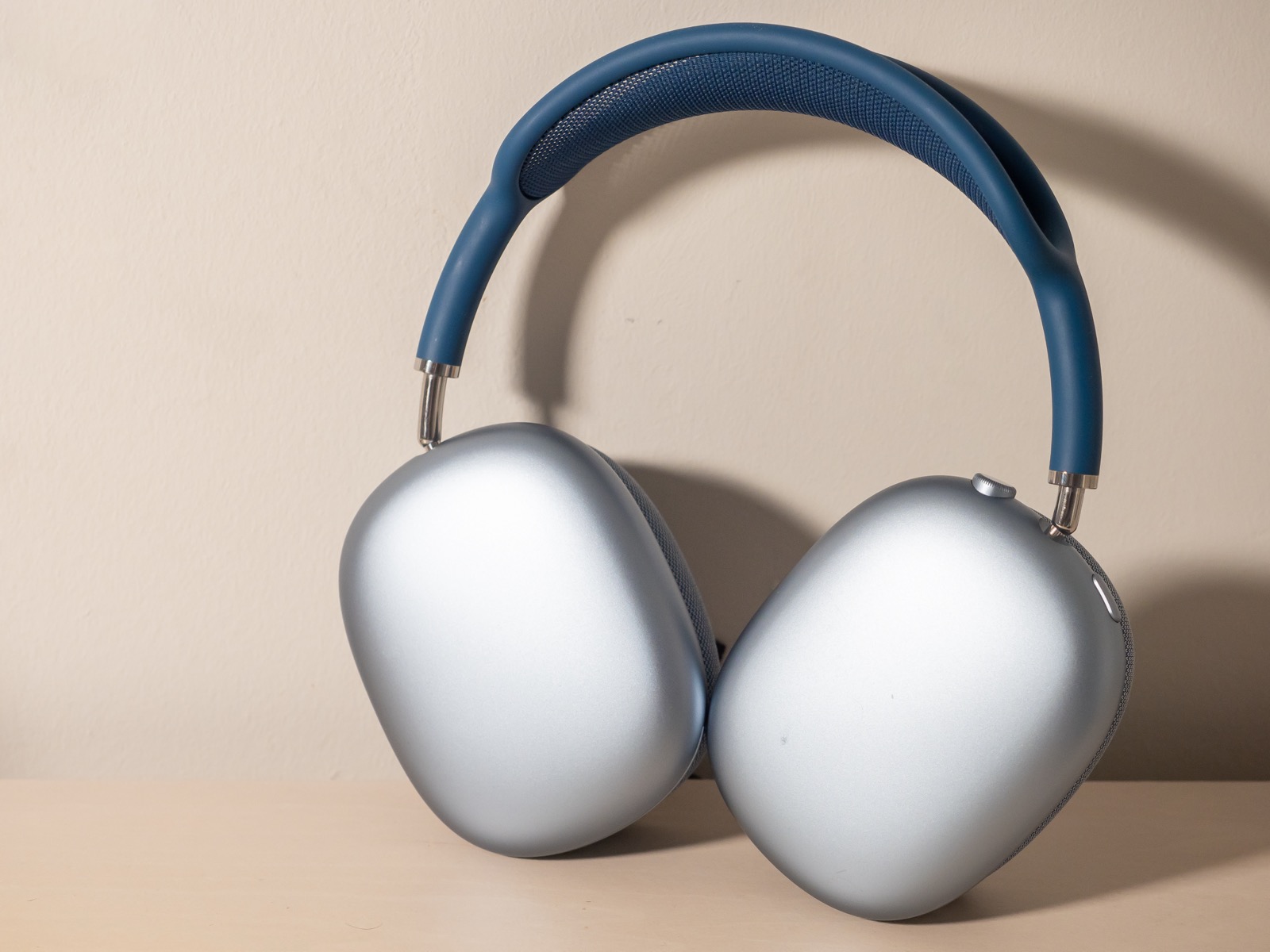
Imagine opening a video on your laptop while your phone sits beside it. Both know your headphones. The video appears to be playing, but the sound you hear belongs to the other screen. Before reaching for a reset, you need an answer to a much smaller question: which device currently has the audio?
Bluetooth headphones should make that answer easy to find and easy to change. That is the design standard I would put ahead of another promise of seamless switching. A useful connection is one you can understand when the automatic choice differs from what you intended.
Connected and playing are different questions
The distinction is visible in Sony’s WH-1000XM5 multipoint instructions. With the relevant app setting enabled, the headphones can connect to two devices simultaneously. For music, Sony tells you to stop playback on the first device and start it on the other. Starting the second device while the first is playing does not immediately replace the first device’s sound.
That can be a sensible rule. You may want the album on your laptop to continue while you browse something on your phone. The difficulty is explaining the rule at the moment you need it. A list showing two connected devices tells you they can communicate with the headphones; it does not, by itself, tell you which playback to stop.
Apple’s AirPods switching guide describes a different approach. Compatible AirPods can switch automatically among supported Apple devices signed into the same Apple Account, with two-factor authentication and current operating systems. Apple gives the example of moving from music on a Mac to a podcast on an iPhone. It also provides manual switching controls and a way to choose “When Last Connected” instead of automatic connection on an iPhone, iPad or Mac.
Neither set of instructions establishes one universal rule for wireless headphones. They show why “works with multiple devices” is an incomplete description of daily use. The useful follow-up is what happens when those devices both want to play something, and how you take over.
Make the handover visible
My preferred control would show the current source by a recognizable name, alongside a direct way to select the other connected device. After a change, a brief confirmation should identify where the sound is coming from. A spoken announcement could help when the phone is in a pocket; a quiet visual indication could suit someone who dislikes voice prompts.
This is a proposal, not a claim that every existing headset offers those controls. The point is to make the result observable. If a switch cannot happen yet, explain what is holding it up. “Pause music on the laptop to switch” would give you a useful next action. Repeating “connected” would leave the important question unanswered.
There is a trade-off. Asking permission for every handover would turn a convenient feature into a sequence of small interruptions. Someone moving repeatedly between a phone and a laptop may prefer the headphones to decide. The better default would keep that convenience and make correction quick, with an optional way to stay on one source for a while.
Calls deserve their own explanation. Apple says audio should not switch automatically during a conversation such as a phone call or video conference. A temporary choice to keep listening to a laptop should clearly explain its effect on incoming calls. I would not want a music preference to quietly become a rule about whether I can hear someone trying to reach me.
For the headphones you already own, try one deliberate handover before changing several settings. Play something on one device, pause it, then start playback on the other using your model’s documented procedure. Find the manual source selector, if one is available, and check what its automatic-switching option actually controls.
If the behavior suits you, keep it. If it does not, change that specific setting and try the same handover again. The goal is a predictable route back to the sound you chose. Headphones earn the word seamless when you can recover from a wrong choice without guessing which screen to blame.