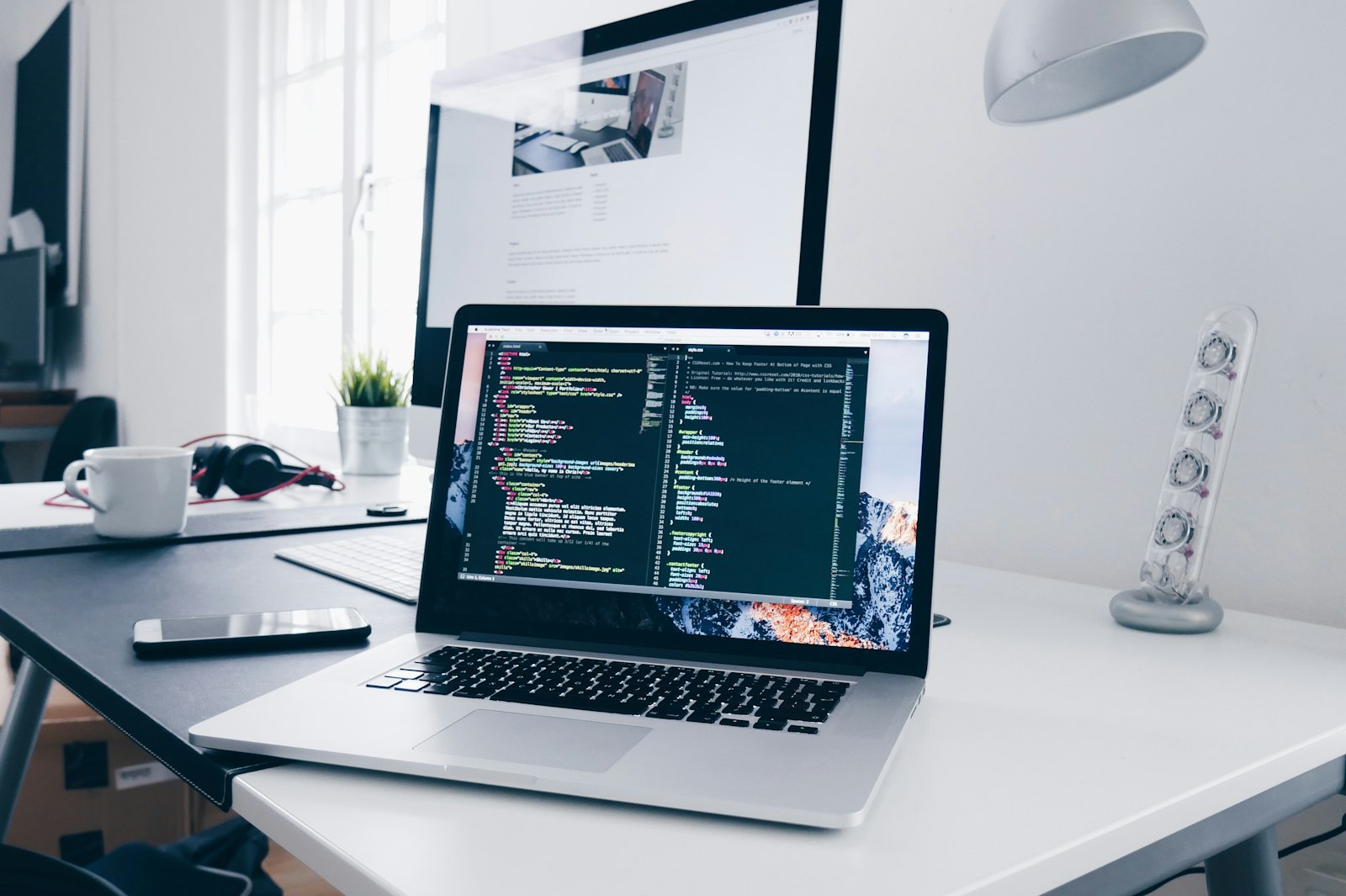
Chromebooks taught a generation that a Google laptop could be cheap, durable, and a little boring. Googlebook is the opposite bet: premium metal, phone-first Continuity, Gemini in the cursor, and a starting price that begins at $899. After months of teasers, Android Authority’s Adamya Sharma and hands-on coverage from The Verge confirm the platform is real—five OEM machines, pre-orders open, U.S. shelves on October 4, 2026.
The sharper hook is not “another thin laptop.” It is Google finally treating the Android phone as the center of gravity for a desktop OS instead of a polite Bluetooth guest.
What actually makes a Googlebook
Google is not (yet) shipping a Made-by-Google Pixel laptop. Acer, ASUS, Dell, HP, and Lenovo are. The floor is serious: 16GB RAM minimum (some configs to 32GB), touch displays up to 2.8K OLED, premium chassis materials, backlit keyboards, and NPUs rated above 45 TOPS on Intel Core Ultra Series 3 or Qualcomm Snapdragon X Elite silicon. Battery claims stretch to roughly 14 hours of video and 16 hours of browsing, depending on model.
Every lid gets a Glowbar—the Chromebook Pixel nostalgia strip that lights on boot, can hint battery status, and animates when you talk to Gemini. Developers can hook it; Pixel fans will recognize the HiLight vibe.

The five launch machines (and who they’re for)
- Acer Googlebook 14 — from $899, 14-inch 2.8K OLED, Intel Core Ultra 5/7; the convertible in the first wave.
- Dell XPS Googlebook — from $1,199, 13.4-inch 2.5K, Snapdragon X Elite.
- HP Googlebook 14 — from $1,299, 14-inch 2.8K OLED, Snapdragon X Elite.
- ASUS Googlebook 14 — from $1,299, ultra-light (~1 kg class), Intel Core Ultra.
- Lenovo Googlebook 15 — from $1,299, 15.3-inch 2.8K OLED productivity canvas.
Pre-orders run through the Google Store, Best Buy, and select partners. Canada, UK, Ireland, France, Germany, and Australia follow on October 5. Every unit bundles 12 months of Google AI Pro (including 5TB storage and Gemini Advanced tools) plus short trials of YouTube Premium and Adobe Photoshop.
Software is the product: Continuity, Magic Pointer, Rambler
Googlebook OS sits on the Android stack with ChromeOS-grade desktop foundations: full Chrome with extensions, Play Store apps (tagged Made for / Optimized for desktop / Better on the website), Linux terminal, and Google’s Antigravity AI dev environment. Pair an Android phone and you get encrypted transfer of settings, passwords, Wi-Fi, and messages; Continue On handoffs; Files access to phone storage; and Cast My Apps streaming phone apps into desktop windows.
Gemini’s party tricks: wiggle the Magic Pointer to ask about whatever is on screen; hit Rambler for Pixel-style voice-to-structured notes; describe a widget in plain language with Create My Widget. Some tasks stay local; many still climb to the cloud—Google demos did not always make the boundary obvious.
The Verge’s Antonio Di Benedetto left briefings more optimistic than skeptical for Galaxy-fold owners who refuse Windows or Mac—and still rattled off open questions: review units were scarce, OEM reps deferred software answers to Google, and mobile-game ads on a $1,299 laptop feel weird in a hurry.
Geeknewz take: buy Continuity, not Glowbar cosplay
If you live on Android and hate the Windows tax, Googlebook is the first laptop category that speaks your phone’s language without pretending a browser is enough. If you need Lightroom Classic, serious x86 creative suites, or iPhone Continuity, this first wave is still a side quest. Chromebooks keep the education lane; Googlebooks aim at the premium companion slot. October 4 is when the Glowbar has to prove it is more than a pretty lid light.
Source: Android Authority; hands-on context also from The Verge