
Google Play now lets you vibe-code a custom Android app in Google AI Studio and launch it on your own phone with a normal Google account. You don't need a developer account. The app stays private: it doesn't show up in search, and it isn't on a public listing. The rollout starts today in select markets, including the U.S., for people 18 and older.
That's the change that matters. Play is treating a personal AI-built app as something you can install for yourself, instead of making every experiment a public store page.
Until now, getting a native Android experiment onto a phone usually meant publishing it, where anyone could find it, or leaving it as a web app you open in a browser. Sam Bright, who runs Google Play, framed the new pitch as a move from "there's an app for that" to "there's an app for me." The slogan is marketing. The part you can use is the ladder. The app can live on your device now. In the coming months you can share it with a close circle of friends and family. If you want everyone else, you move up to a professional developer account, and the app goes through the same Trust & Safety review as any other public listing.
Private doesn't mean the rules go away. These apps still have to follow Play's policies. They just don't appear for strangers, and they don't skip that review on the day you decide to publish.
If you've been building small tools in AI Studio and leaving them in a browser tab, this is the path onto an Android phone without a listing. A kitchen helper with your own rules, a hobby tracker, a utility only you open: those can stay yours. You still need an Android phone, a Google account, and a market where the feature has reached you. The U.S. is the market named so far. The rest of the country list isn't published.
The gap is the other people you might want to include. Sharing with friends and family arrives in the coming months, not this week. If a team, a family group, or a club needs the app tomorrow, that switch isn't here yet. A public launch is still a real publishing step, with the same review other developers already wait on. Nothing here turns a private experiment into a store listing by itself.
If you already experiment in AI Studio and you carry an Android phone in a supported market, this is the cleanest way to keep a personal tool on the device without a public listing. If you need to share it with other people tomorrow, you're still waiting on that friends-and-family phase, and anything you eventually publish still goes through Play's normal review. If you use an iPhone, this doesn't change your side of the fence.
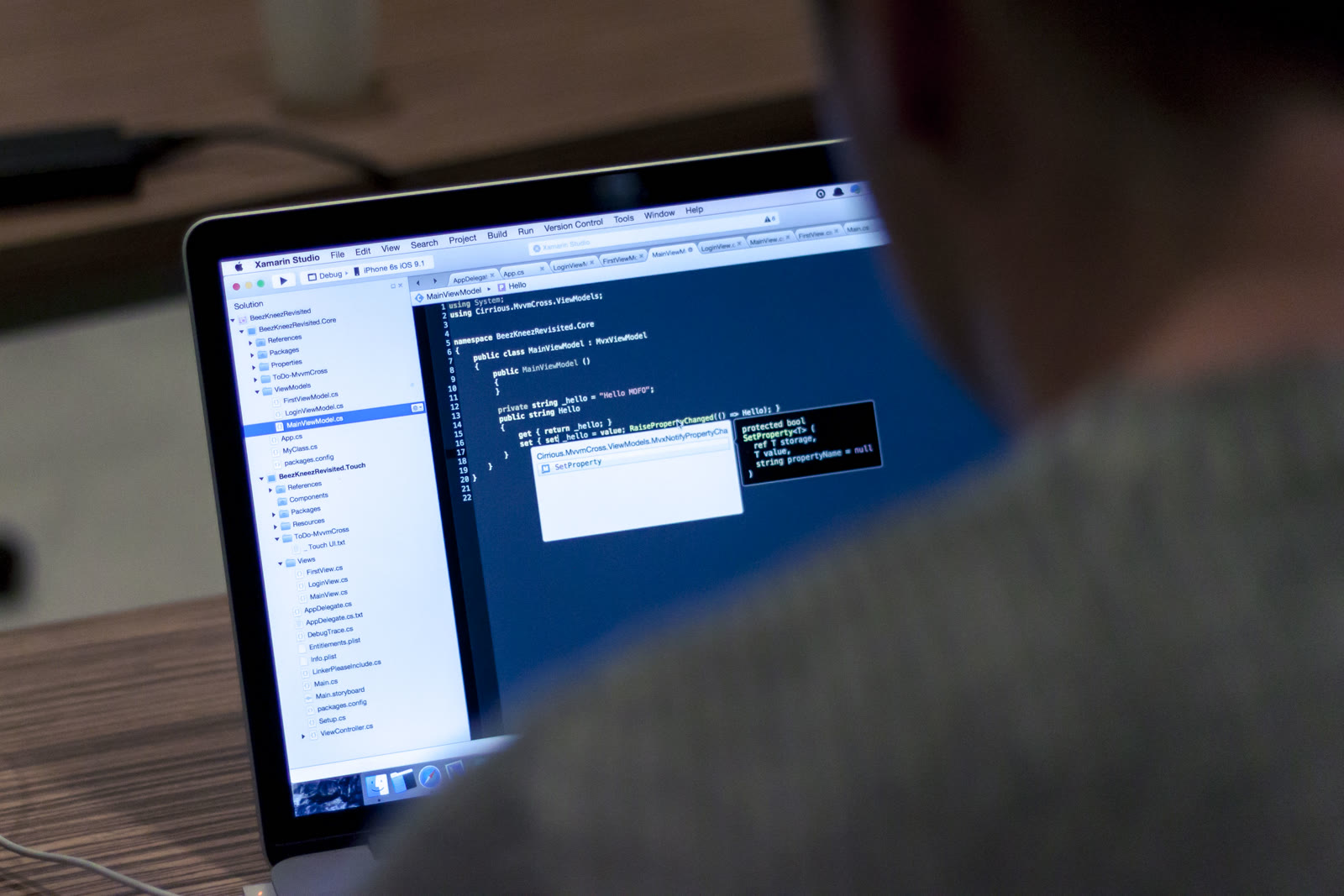
Photo: Tirza van Dijk / Unsplash via Wikimedia Commons, CC0.
.jpg)