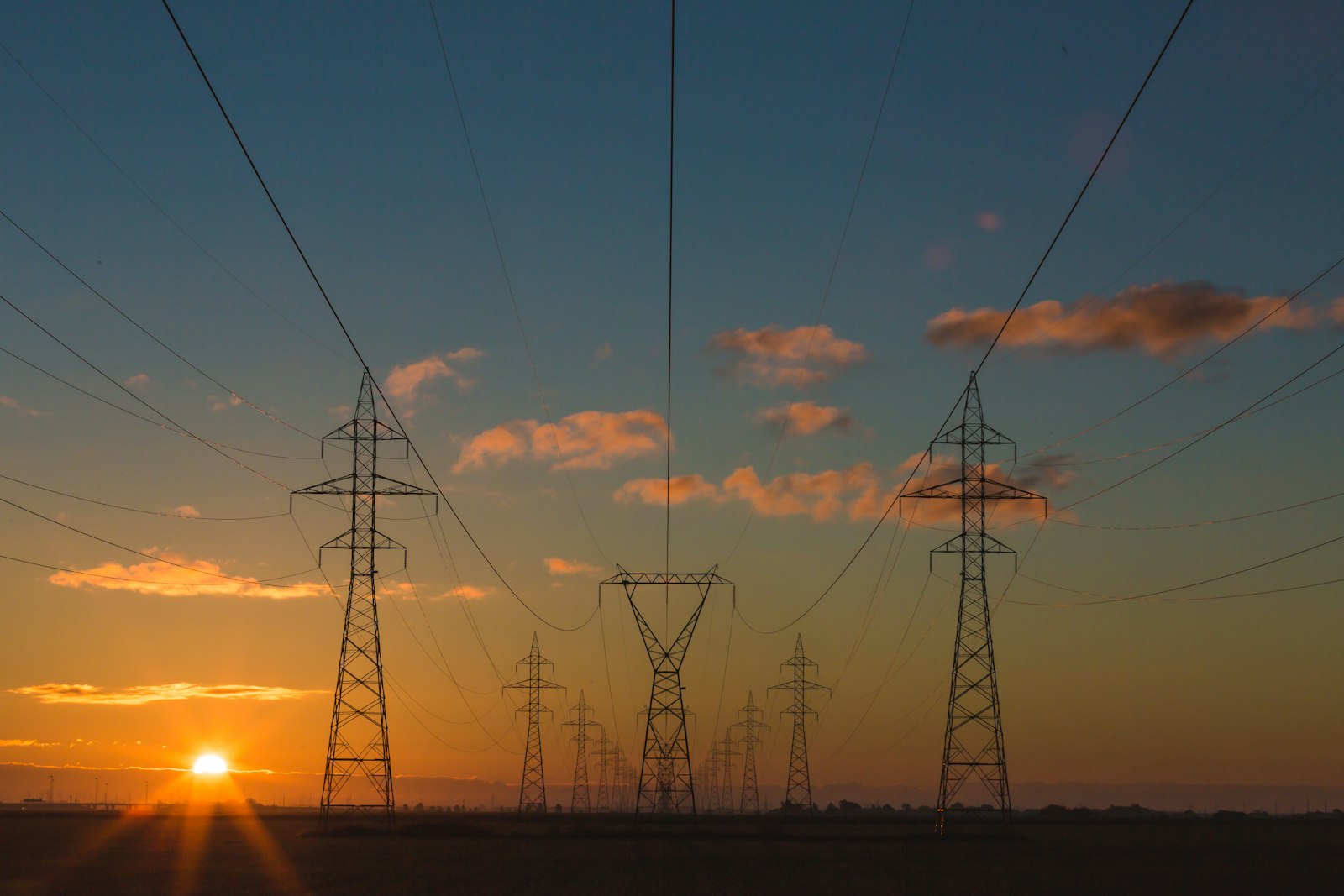
AI’s hottest constraint is not a model architecture. It is whether the grid will let you plug the building in. Enter the AI Energy Management Alliance (AEMA): grid-software unicorn Emerald AI teaming with Google and Nvidia, joined by Anthropic and utilities including AES, Constellation, National Grid, and NRG Energy.
The pitch, per TechCrunch’s Tim De Chant: make demand response a first-class citizen of data-center development. Pause noncritical jobs, shift compute to sites with headroom, and—on paper—unlock room for roughly an extra 100 gigawatts of data centers on existing wires.
Demand response, but make it GPU chic
Utilities have run demand response for decades. Factories get paid to chill when the grid sweats. Data centers already play, often by firing up diesel generators—the “save the grid, torch the air” option.
Emerald AI wants the cleaner version. Its software sits between utilities and data centers so noncritical workloads can pause or migrate when the grid pings. Think batteries, but with schedulers and SLAs. Google has been building related tools; Enel X leans on UPS systems to shave peaks. A Goldman Sachs study cited in the coverage suggested holding max grid draw near 90% for a few hours could free on the order of 76 GW of capacity. AEMA’s 100 GW claim is the ambitious sibling of that idea.
Why Emerald gets the coalition
Emerald’s edge is the direct utility-to-data-center pipe—fast enough to feel more like storage than a phone tree. The startup also just raised a $150 million Series A led by Energize Capital and DCVC, which buys rollout muscle instead of another slide deck about “flexible loads.”
AI compute is peaky. Training jobs and batch inference can often wait minutes or migrate across regions. Inference that serves chatbots in real time cannot. The alliance’s job is to productize that distinction so utilities stop treating every GPU hall like an immovable blast furnace.
Site selection is the quieter half of the story. Tech firms and utilities both struggle to find locations with spare megawatts. A coalition that speaks both “transformer queue” and “GPU cluster” might actually schedule meetings that produce substations instead of press releases.
What this does not solve
Emerald AI chief scientist Ayse Coskun told TechCrunch the tech can blunt—not erase—the need for new generation. Flexible demand is a capacity multiplier, not a fusion reactor. Heat waves, transmission bottlenecks, and communities that do not want another hyperscale neighbor still exist.
There is also the trust problem. Will model companies accept slightly longer training wall-clock for cheaper interconnect queues? Will utilities trust software to shed load faster than a human operator with a coffee? AEMA only works if the incentives clear both sides of the meter.
Follow the utilities
AES, Constellation, National Grid, and NRG sitting at the table matters more than another AI logo. Grid operators decide interconnection queues. If they believe Emerald-style flex can keep peaks honest, more campuses clear the queue. If they treat the software as vapor, AEMA becomes a LinkedIn badge.
Nvidia’s presence is strategic theater too. The company sells the GPUs that create the load; joining a coalition about managing that load is how you avoid being blamed as the only villain when neighborhoods fight the next 500 MW campus. Google brings operational scars from years of demand-response experiments. Anthropic brings the “we train big models and care about reliability” customer voice.
Geeknewz take
The AI boom’s next boss fight is infrastructure politics. Google, Nvidia, and Anthropic signing onto Emerald’s demand-response vision is an admission that FLOPs without megawatts are cosplay. If AEMA turns flexible data centers into a standard interconnection promise, expect more campuses to get “yes” from grid operators—and fewer diesel clouds every time the evening peak hits.
If it stalls, we are back to the old playbook: wait years for transmission, fight locals, and pray a gas peaker plant loves your CapEx. The alliance is betting software can buy time. The grid will grade the homework in megawatts, not blog posts.
Source: TechCrunch — Google, Nvidia, and Anthropic want Emerald AI to find space on the grid for more data centers (Tim De Chant, Sep 17, 2026).