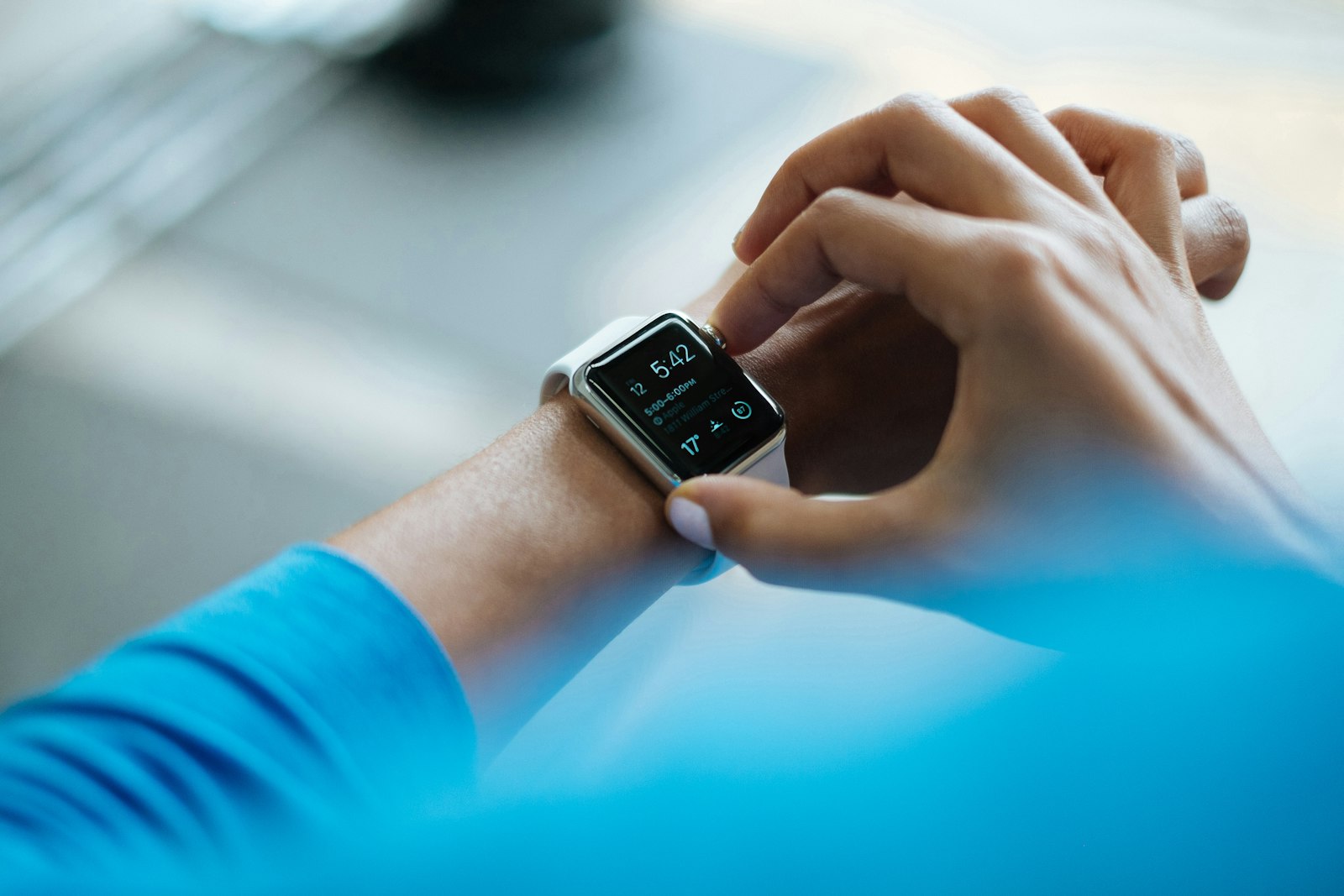
Samsung’s first Galaxy Watch Ultra talked a big outdoor game and then quietly skipped scuba. Two years later, the Ultra 2 tries to close that gap. Tom’s Guide’s Dan Bracaglia wore the $699 watch for two weeks of hiking, e-mountain biking, and everyday Android life, and the short version is simple: brighter screen, longer battery, real dive certification, and a body that still feels huge on a smaller wrist.
If you already live in Samsung Health and wanted a tougher sibling to the Galaxy Watch 9, this is the one that finally matches the adventure brochure. If you were hoping for Garmin-grade climb data, keep reading before you tap buy.

What actually changed from the first Ultra
The case is a touch thinner at 10 mm, though Bracaglia says you may not notice on a 6.5-inch wrist. The bigger upgrades are easier to feel. Peak brightness jumps to 5,000 nits, which made the 1.52-inch AMOLED easier to read in sunlight than Apple Watch Ultra 4’s 3,000-nit panel during his side-by-side rides. Battery capacity climbs to 800 mAh, about 35 percent more than the original Ultra, and real-world drain landed near 25 percent a day with the always-on display on. Rated life is 60 hours. His testing stretched closer to 72.
Water resistance stays at 100 meters, but this time Samsung rate it for scuba and pairs the watch with a Mares dive-computer app ($8.99 a month or $69.99 a year) that adds speed monitoring and safety-stop alerts. The included strap is softer and more flexible, and it still uses the old Ultra’s attachment system, so existing bands keep working.
Health scores without a subscription wall
Samsung Health is where the Ultra 2 feels less like a rugged Apple clone and more like its own product. A new Vitals dashboard groups heart rate, HRV, SpO2, skin temperature, and breathing rate. Heart Health scores update through the day on a 1–100 scale. Fitness Index blends steps, VO2 max, resting heart rate, body composition, and recovery into another peer comparison score. Sleep tracking remains detailed, and sleep apnea detection is FDA-cleared, something Google’s Pixel Watch line still does not match.
The part that will matter to a lot of Android buyers: those insights are not locked behind a monthly upsell the way some Google and Garmin features are. You pay for the watch, then you get the charts.
Where outdoor tracking still stumbles
Bracaglia’s biggest complaint is elevation. On Seattle hills and Cascade hikes, Climb numbers inflated against a Garmin Instinct 3 and Apple Watch Ultra 3. Heart rate was solid when the band was snug, and general workout logging was fine, but the Ultra 2 also lacks dedicated modes for mountain biking and e-biking even though that is exactly the crowd Samsung is courting.
Gemini is built in, and Raise to talk worked well once enabled. With Gmail and Calendar connected, the assistant handled specific questions rather than just weather one-liners. That is a nice daily driver feature, just not a reason to forgive bad climb math on a trail watch.
Who should buy it
At $699, the Ultra 2 costs $50 more than the first Ultra and $100 less than Apple Watch Ultra 4. Galaxy Watch 9 still starts around $379 if you want most of the health stack without the dive chassis. Buy the Ultra 2 if you want a bright, multi-day Android watch that can go underwater for real and does not nickel-and-dime health insights. Skip it if wrist size is already a problem, if you need precise elevation for mountaineering, or if a Garmin still owns your sports identity.
Geeknewz’s read of Bracaglia’s verdict: Samsung finally finished the Ultra idea. The homework left is firmware for climb accuracy and a few more outdoor sport profiles. Until those land, treat it as an excellent tough smartwatch with one outdoors asterisk, not a full Garmin replacement.
Source: Tom's Guide (Dan Bracaglia)