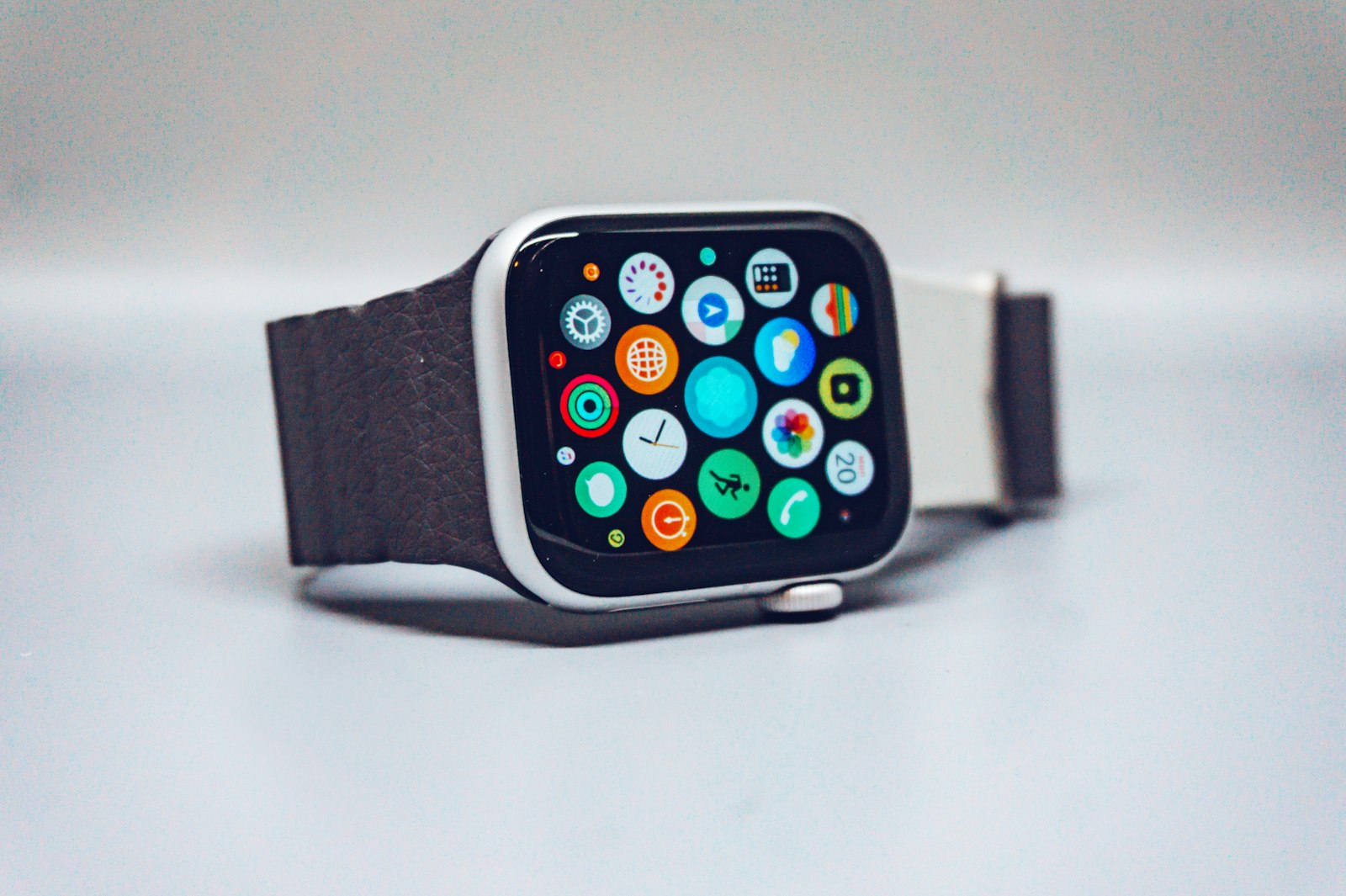
Samsung finally put Qualcomm's Snapdragon Wear Elite in a mainstream Galaxy Watch, and the reviews landing this week agree the software feels snappier. They also agree on the part you will notice every night: battery life is still a daily chore. We read Android Authority's three-week review, SammyGuru's everyday-wear take, and Samsung's own Watch9 product page so you can decide whether the upgrade is worth the charger ritual.
US pricing starts at $379.99 for the 40mm Bluetooth model and $409.99 for the 44mm Bluetooth unit Android Authority tested, with LTE adding about $50. That is roughly $30 above equivalent Watch 8 launch prices. There is no Watch 9 Classic this year, so if you want a mechanical rotating bezel you are stuck shopping the Watch 8 Classic.
What actually improved
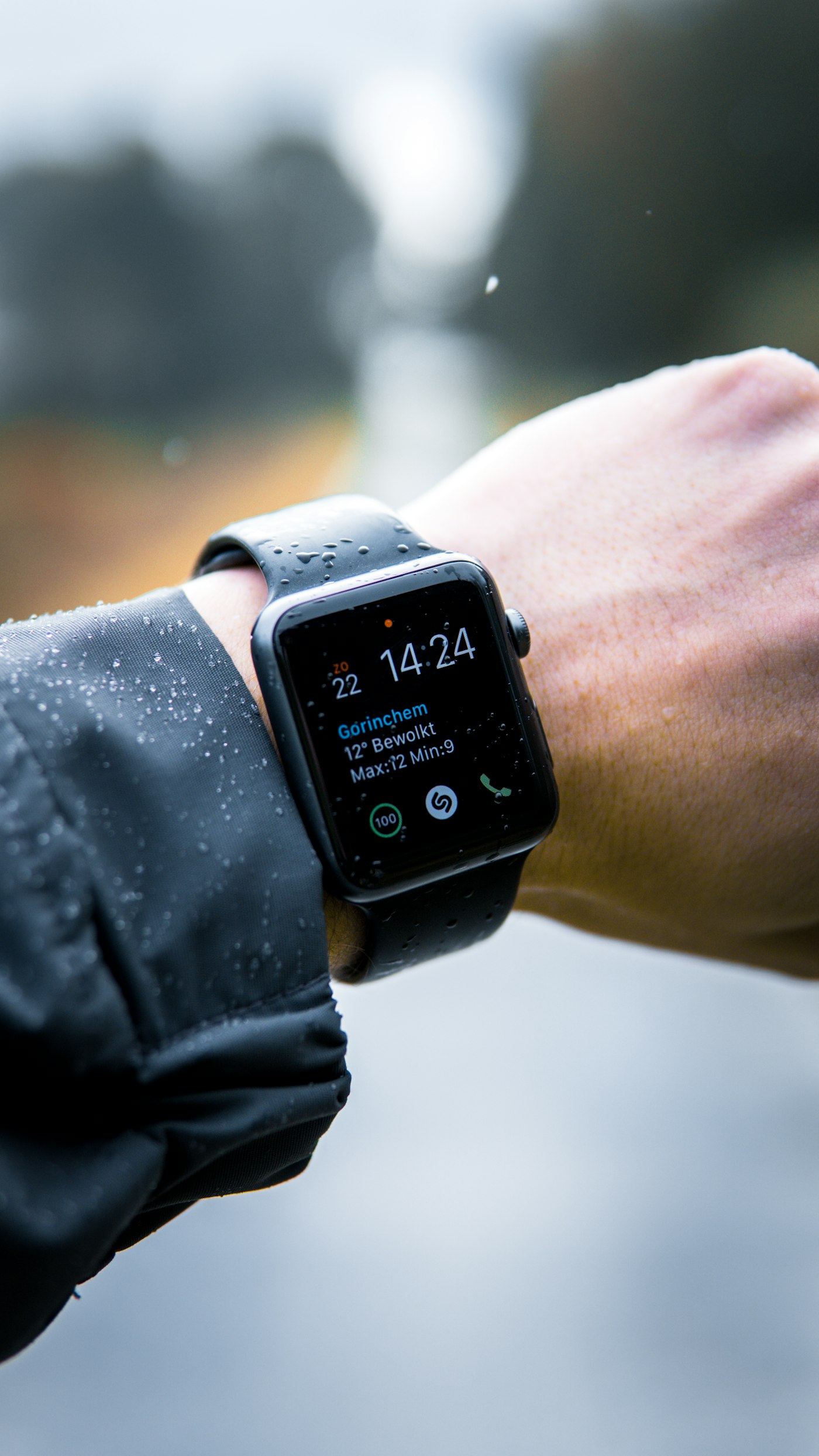
After years of Exynos watch chips, the Watch 9 series (and Watch Ultra 2) moves to Snapdragon Wear Elite. Both Android Authority's Rushil Agrawal and SammyGuru's Josh Skinner felt faster app launches and smoother scrolling, without calling the jump transformative if you already own a Watch 7 or Watch 8. Samsung pairs that with Wear OS 7 and One UI 9 Watch, and promises five major OS upgrades plus five years of security patches, one more OS bump than prior Galaxy Watch policy.
Samsung's site leans hard on health. Vitals rolls overnight heart rate, HRV, respiratory rate, skin temperature, and blood oxygen into a simpler flag when something drifts from your baseline. Fitness Index, Daily Cardio Load, Energy Score, and Running Coach round out the coaching pitch. Raise to Talk lets you lift the watch toward your mouth and talk to Gemini without a wake word. Comfort is the other clear win: the cushion-shaped case is 8.6mm thick on Samsung's comparison chart versus 9.7mm on the Watch 7, and both reviewers describe all-day wear that disappears on the wrist. The 44mm unit sits around 34g.

Display story is incremental if you skipped only one generation. The 44mm keeps a 1.47-inch 480x480 Super AMOLED peaking at 3,000 nits, the same brightness jump Watch 8 already shipped. Coming from a Watch 7, outdoor readability is the noticeable change. Durability remains 5ATM, IP68, and MIL-STD-810H with sapphire crystal.
The battery math that spoils the upgrade
Samsung markets a larger cell. Official capacity is 390mAh on the 40mm (about 20 percent up from Watch 8's 325mAh) and 445mAh on the 44mm. Agrawal notes that 445mAh is only 10mAh above the Watch 8 and 20mAh above his Watch 7. In his testing, always-on display off and under an hour of workouts still landed around 30 to 35 hours. A heavy day with three hours of DJing and about 20,000 steps left the watch near 15 percent after roughly 24 hours. He also lost sleep data after evenings that started near 40 percent and woke up dead.
Charging does not rescue the shortfall. Agrawal saw a full charge take more than 90 minutes, with early-stage gain around one percentage point per minute. Skinner timed closer to two hours and rarely saw more than 1 to 2W draw even on a charger that supported higher wattage. Compare that with Google's Pixel Watch 5 pitch that Agrawal cites: about 50 percent in roughly 15 minutes and a full charge near an hour. The practical difference is brutal when you notice a dead watch while getting ready to leave. Fifteen minutes on a Pixel can be meaningful. Fifteen minutes on a Watch 9 barely moves the needle.
Our own quick comparison from the published numbers: the 44mm battery grew about 2.3 percent versus Watch 8 (445 vs ~435mAh class cells reviewers cite for the prior year), while the sticker rose about $30. You are paying more for Snapdragon smoothness and One UI 9 polish, not for multi-day endurance. If you want that from Samsung, the Ultra 2's 800mAh pack at $699.99 is the separate product.
Who should buy it
Buy the Watch 9 if this is your first modern Galaxy Watch, or if you are jumping from something three or four years old and want the health stack, Gemini Raise to Talk, and longer software support. Prefer the 44mm if battery anxiety already bothers you. Pairing with a Galaxy phone still matters for ECG, irregular-rhythm notifications, and sleep apnea detection; basic Samsung Health works on other Android phones, but those headline clinical features stay Galaxy-gated.
Wait or shop the Watch 8 on sale if you already own last year's model and mainly hoped Samsung would fix endurance. Both reviews say the Watch 8 delivers most of the same design, display, and sensors without the new chip tax. Look at Pixel Watch 5 if fast top-ups matter more than Samsung Health depth, or at OnePlus and Amazfit if multi-day life is non-negotiable and you can live with a thinner app story.
Geeknewz verdict: the Watch 9 is a very good everyday Android watch that still fails the one test Galaxy owners keep asking for. Snappier software and richer vitals are real. Until charging gets dramatically faster or the cell lasts past a busy day, treat this as a polish release, not the battery fix.
Source: Android Authority (Rushil Agrawal); also SammyGuru (Josh Skinner) and Samsung Galaxy Watch9.