
Nvidia-backed data-centre firm Firmus has pulled its ASX listing before you could buy a share. On Friday, October 9, 2026, the Australian company withdrew the IPO and said it would chase private funding instead, so there's no allocation left for you on the exchange.
The price that didn't survive was about A$11 a share. CNBC reported that price with a valuation around US$30.6 billion. ABC reported that the founders were aiming at about A$44 billion, which would have made the float Australia's biggest since Telstra in 1997. Those are the two published labels for the deal, one in US dollars and one in Australian dollars.
Firmus said recent market volatility and prevailing market conditions drove the withdrawal. The board said the terms didn't reflect the strength of the business or the growth it expects, and that going ahead wasn't in the best interests of the company or its shareholders. From here the company will pursue private markets and consider other public and private options. Shareholders were told more detail would follow as those options take shape. This ASX process is finished. A named private round, or a later listing, hasn't been announced.
Why the price didn't clear
John Pearce, UniSuper's chief investment officer, called Firmus a "compelling story" that "doesn't have a compelling valuation." Pushback on that valuation, and on the debt sitting beside it, was already the problem under the float. Buyers were also uneasy about an AI bubble, and about paying up for data centres that mostly aren't built yet. Pearce's point on the funding was that Firmus would have to keep coming back for debt and equity to finish the build-out. The price on offer left little room for that build-out to slip. UniSuper sat the offer out, and a cheaper share was already being discussed before the withdrawal.
You can't subscribe to this IPO, because the public sale is gone. A private round, if Firmus names one, won't be an ASX application you can join. A later listing would be a new process, with a new price, and you'd read that document then. Until either of those is real, treat the prices that circulated this week as a sign of how picky public money is for AI infrastructure.
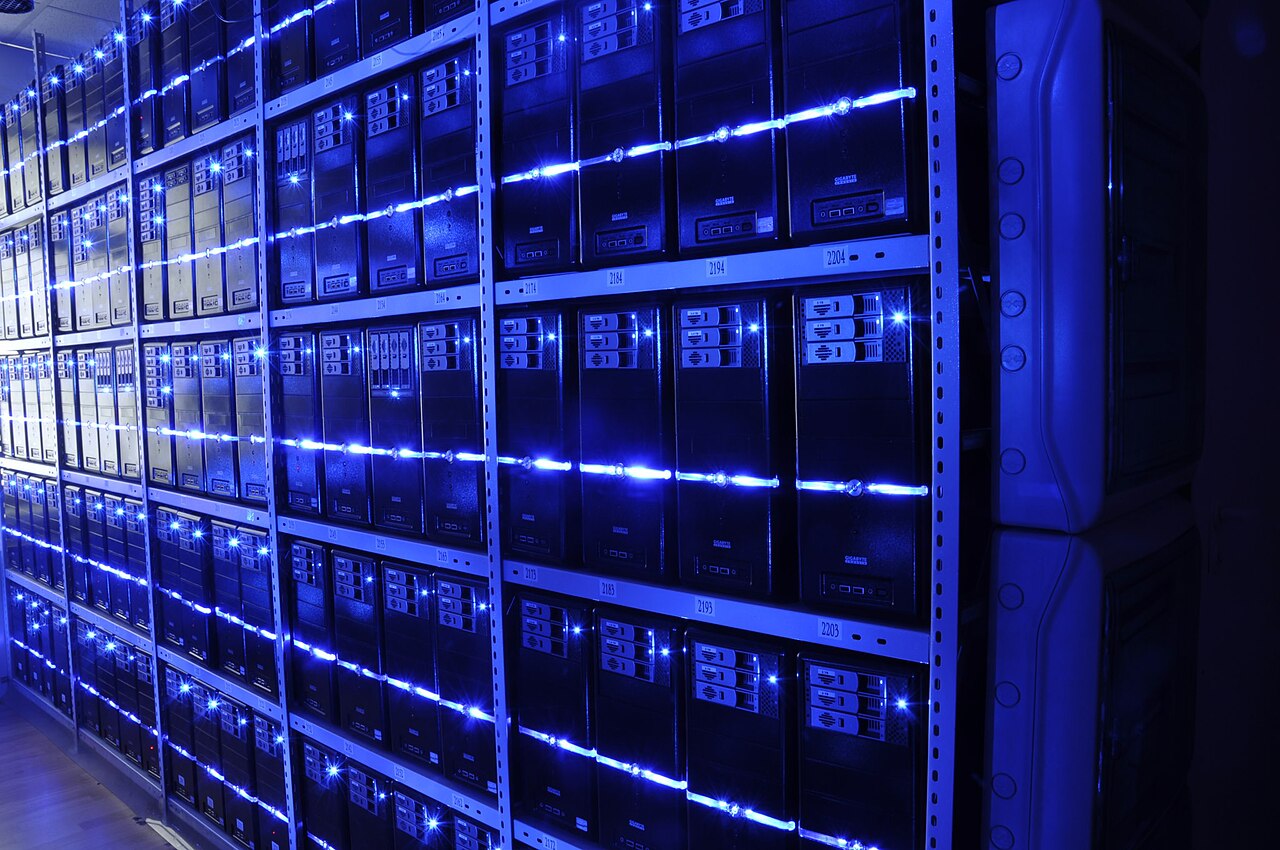
Photo: BalticServers.com / Wikimedia Commons, CC BY-SA 3.0.
