The U.S. Treasury has formally scrapped two crypto proposals that hung over self-custody wallets and privacy tools for years without ever taking effect. The Financial Crimes Enforcement Network (FinCEN) filed withdrawal notices on October 5, and both were published in the Federal Register on October 6. One kills the December 2020 "unhosted wallet" proposal. The other drops a 2023 plan that would have treated international crypto mixing as a class of transactions of primary money laundering concern.
We read both withdrawal notices in full. The wallet notice is blunt: FinCEN "will not take any further action" on that rulemaking. The mixer notice leaves the door open a crack, saying the agency will keep monitoring mixers and "may take appropriate steps in the future." Because neither rule was ever final, nothing you do today becomes newly allowed. What disappears is the risk that either one gets finalized, and any revival would now have to start from scratch with a fresh proposal and comment period.
What the two rules would have required
The 2020 proposal targeted transfers between banks or money services businesses, such as exchanges, and wallets those firms don't host. If the other side of a transaction used an unhosted wallet, or one held at a foreign institution in a jurisdiction FinCEN flagged, the firm would have had to keep records and verify its customer's identity above $3,000, and file a report with FinCEN above $10,000. Transfers that added up to more than $10,000 within 24 hours counted too.
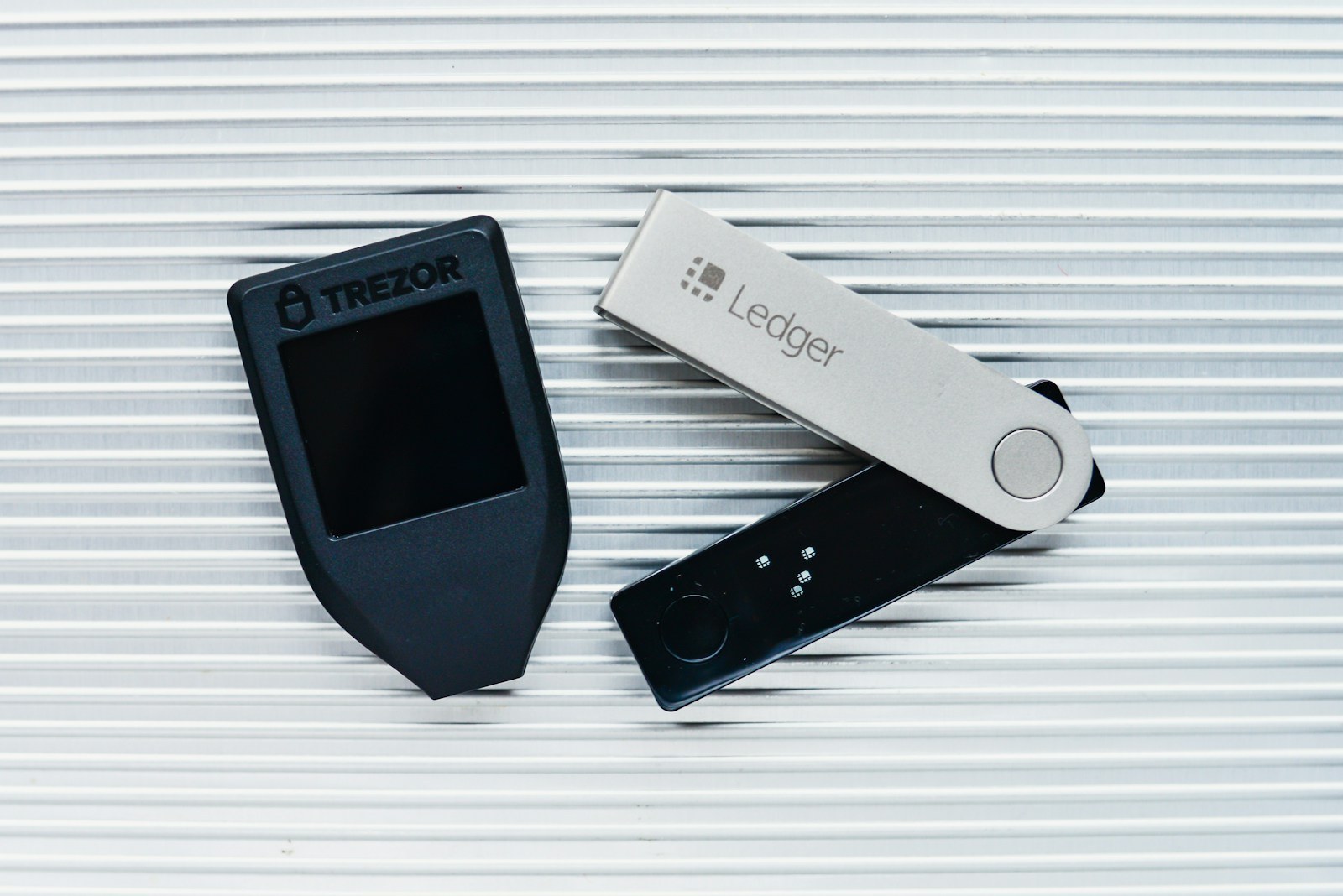
To make that concrete: under the proposal, withdrawing $4,000 of bitcoin from an exchange to your own hardware wallet would have triggered recordkeeping about you and your wallet. Withdrawing $6,000 in the morning and another $5,000 that evening would have added up to $11,000 within 24 hours and sent a report to FinCEN, with information about the counterparty.
The 2023 mixer proposal was broader in a different way. It would have required covered financial institutions to report any crypto transaction they knew or suspected involved mixing outside the U.S., including the amount, the coin, the mixer, wallet addresses, transaction hashes, dates, IP addresses and a written description, while keeping records of the customer's full identity, birth date, address and email. Its definition of mixing covered anything that obscured the source, destination or amount of funds, with examples ranging from pooling coins and splitting transfers to using single-use addresses, swapping between cryptocurrencies and adding user-requested delays. Critics argued that list swept in ordinary privacy habits, and FinCEN's own withdrawal cites commenters' worries that the definition "could have a chilling effect on legitimate activity."
How we got here
| Date | What happened |
|---|---|
| Dec 23, 2020 | FinCEN publishes the unhosted wallet proposal in the last weeks of the first Trump administration, with an unusually short comment window over the holidays. |
| Aug 8, 2022 | Treasury's Office of Foreign Assets Control (OFAC) sanctions the Tornado Cash mixer. |
| Oct 23, 2023 | FinCEN publishes the section 311 mixer finding and proposed rule. |
| Nov 2024 | A federal appeals court rules Treasury overstepped in sanctioning Tornado Cash's immutable smart contracts. |
| Jan 2025 | Executive Order 14178 sets up the President's Working Group on Digital Asset Markets. |
| Mar 2025 | Treasury lifts the Tornado Cash sanctions. |
| Jul 2025 | The working group's report says the administration "supports the ability of lawful users of digital assets to privately transact on a public blockchain" and recommends that Treasury consider next steps on the mixer proposal. |
| Oct 5–6, 2026 | FinCEN files and publishes both withdrawals. |
The timing fits a broader pattern. On the same Monday, CFTC Chairman Michael Selig said his agency would build a federal crypto pathway under its existing authority after the Senate failed to advance the Clarity Act in September, and the CFTC opened a 60-day comment period on two new rule concepts for crypto trading and markets. With Congress stuck, the big changes to U.S. crypto policy are coming from agencies, one notice at a time.
What doesn't change
This is not a rollback of existing rules, because these two never became rules. Exchanges still have to verify who you are, run anti-money-laundering programs and file suspicious activity reports under the Bank Secrecy Act. OFAC sanctions are a separate legal regime and still apply. The existing travel rule, which FinCEN said in 2019 covers crypto transfers of $3,000 or more between financial institutions, isn't touched by either notice, and neither is tax reporting by custodial brokers.
Our take: if you move coins between an exchange and your own wallet, this mostly removes a future headache rather than changing anything in your account today, so there's nothing to do except keep good records for taxes. Exchanges and banks are the bigger winners, since they no longer have to plan for collecting information on people who aren't their customers. Developers and users of privacy tools get relief from a very broad definition, but FinCEN made a point of saying illicit actors still use mixers, so treat this as a lower regulatory risk, not a green light. The thing to watch next is whether FinCEN comes back with a narrower proposal and what the industry asks for in the CFTC's comment period.
Source: FinCEN withdrawal notices in the Federal Register (2026-20430, 2026-20429); CoinDesk; Bitcoin.com News; ABA Banking Journal; FXStreet on the CFTC proposals; President's Working Group report.