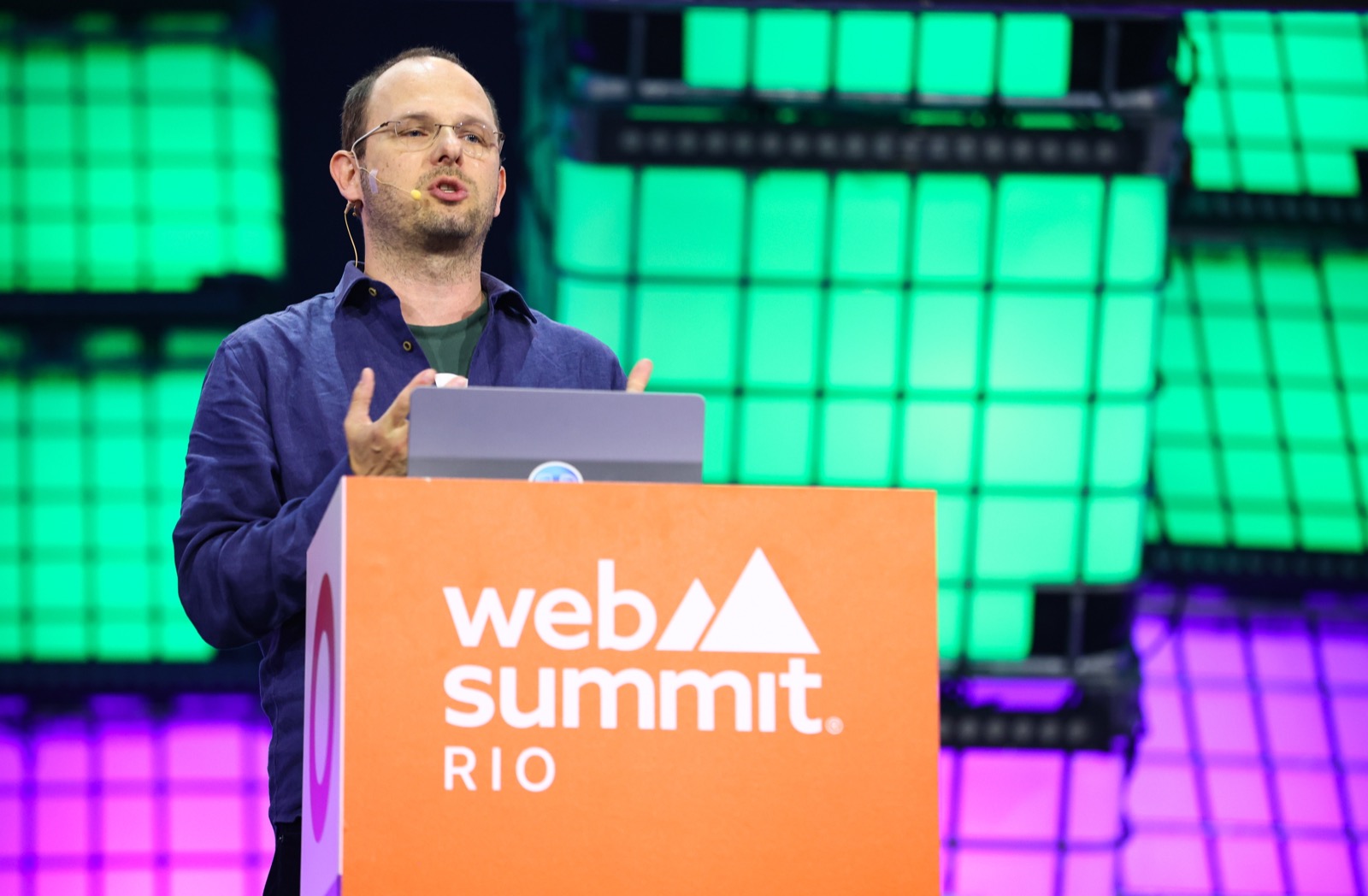
Entire has launched Git hosting designed around coding agents, with a review workflow called Trails that scores changes on every push. In the launch announcement, co-founder and CEO Thomas Dohmke says developers can host repositories directly on Entire or mirror existing GitHub repositories. The platform also introduces Continuous Memory to carry agent-session context into later work.
For a team considering it, the useful starting point is the mirror option: trying the review workflow does not require immediately making Entire the primary home of the code. But a mirror has its own access rules and limitations, so it deserves a small trial before a wider move.
Review scores still need merge rules
Trails can group changes across repositories and run configurable agent evaluations when code is pushed. Findings can be addressed or dismissed, and repository gates can require human approvals and passing continuous integration checks before a merge. That makes the merge policy an important part of setup; an attractive review score alone should not become the team’s definition of ready.
The documentation’s introduction describes build-and-test integrations with Buildkite and Depot as public preview. It also explains how checkpoints connect code changes with the prompts, responses and tool calls behind them. Teams should decide which session information belongs in their shared project history before enabling capture on real work.
A GitHub mirror has specific limits
The mirroring guide says GitHub remains the origin while synchronized copies live in selected Entire regions. Creating one does not replace the GitHub repository, rewrite its history or require everyone to change remotes. Pushes still obey GitHub authentication and repository rules.
Access is another detail to examine: Entire synchronizes GitHub collaborators hourly. Read access permits cloning and fetching, while write access permits pushing. Choose regions according to where the team permits code to live, rather than treating geographic replication as an automatic benefit.
Mirrors also do not currently support Git LFS. The guide provides a procedure that keeps ordinary Git operations on Entire while downloading LFS files from GitHub. A repository containing large assets therefore needs that extra check before anyone assumes a successful mirror means a complete working checkout.
Start with a small repository and one representative change. Check the checkout, the session information reviewers can see, and the conditions that actually prevent an incomplete change from merging. That is a more useful first evaluation than moving every repository on the strength of a hosting-speed claim.