
Walmart's new shopping connection to Meta's Muse makes a useful Black Friday question more immediate: are you asking an assistant to find something, prepare a basket or spend money? Those are different jobs, even when they happen inside the same conversation.
The fresh development is Walmart's November 24 launch. Amazon and Google already have shopping tools with their own purchase controls. Taken together, these services give you reasons to check what permission you're granting before concentrating on the discount.
Walmart brings checkout into Muse
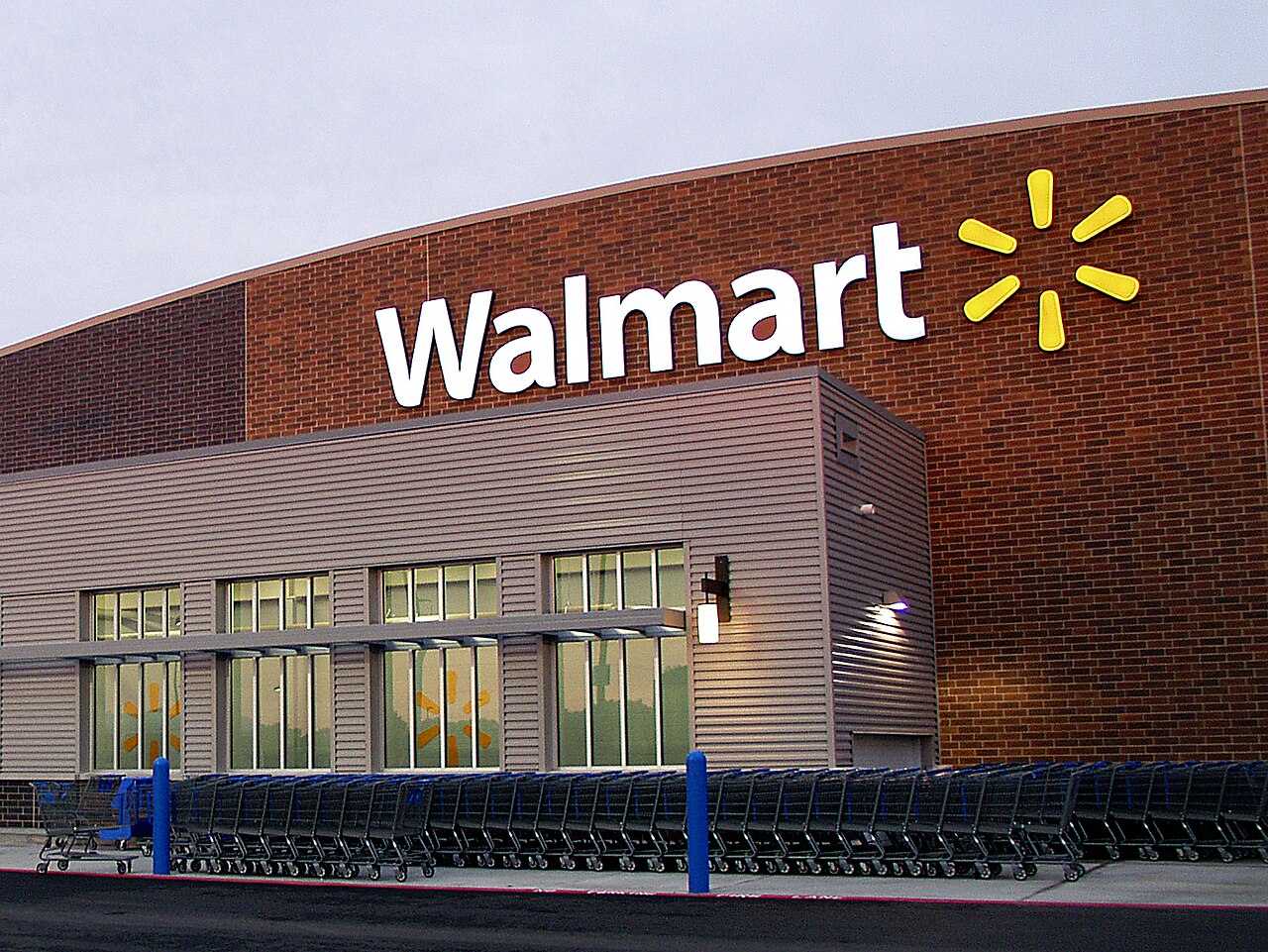
In its Muse shopping announcement, Walmart says customers can find products, build a basket and complete a Walmart purchase through Meta's personal AI agent. Muse connects through the Walmart Agent Gateway, and Walmart finds products matching the request.
The setup includes signing in to Walmart and creating an Agent Profile when first adding an item to the cart. Walmart says the profile supports spending limits, purchase approval and a history identifying agent purchases. Checkout uses a card saved in the Walmart account.
That's a specific Walmart connection, rather than evidence that Muse can buy from every store. Before using it, decide whether you want a shortlist or intend to proceed to checkout. A spending ceiling doesn't tell the assistant which version of a similarly named gadget you meant.
Amazon separates alerts from automatic purchases
Amazon's shopping-assistant explainer, now noting the Rufus-to-Alexa for Shopping rename, documents a target-price alert and a different option for Prime members: automatically buying the item when it reaches the target.
For auto-buy, Amazon says it uses the default payment method and shipping address, then sends a purchase notification. Requests remain active for six months or until cancelled. These are existing capabilities, not a new Black Friday launch.
Choose the alert if you still want to make the decision later. If you authorize an automatic purchase, keep a record of what you've enabled and cancel unused requests when your plans change. Buying a gift elsewhere is a good reason to revisit that list.
Google's eligible checkout still asks you to approve
Google's price-tracking guidance says tracked products may show a “Buy for me with GPay” option. At the desired price, it notifies you to confirm the purchase, payment method and shipping address before proceeding.
For U.S. shoppers, its Google Pay checkout help describes English-language availability with select merchants accepting Google Pay, a valid saved payment method and a U.S. address. Don't infer eligibility from the presence of a product in search results.
Across these examples, the practical check is the same: read the action you're approving. Saving a product, receiving an alert and permitting a purchase shouldn't be treated as interchangeable shortcuts.
For a substantial gadget purchase, confirm the exact model and configuration, seller, delivered total and delivery destination before approving payment. Keep the order confirmation so you know which merchant to contact afterward. Start with an alert when you're undecided, and grant buying permission only for a purchase whose details you've actually settled.