The AI power plant business just got another megawatt of money. Crusoe said Thursday it closed a $3.9 billion Series F that values the eight-year-old data-center developer at $30.9 billion—a vertical leap from the $10 billion mark it hit when it raised $1.38 billion last October.
TechCrunch reports the round was co-led by Atreides Management, Mubadala Capital, and Valor Equity Partners, with Founders Fund, GIC, Nvidia, Qatar Investment Authority, Radical Ventures, and TPG also writing checks. That investor list reads like a who’s-who of people who believe the bottleneck in AI is no longer model cleverness—it’s electrons, land, transformers, and racks that show up on schedule.
Abilene plus trucks
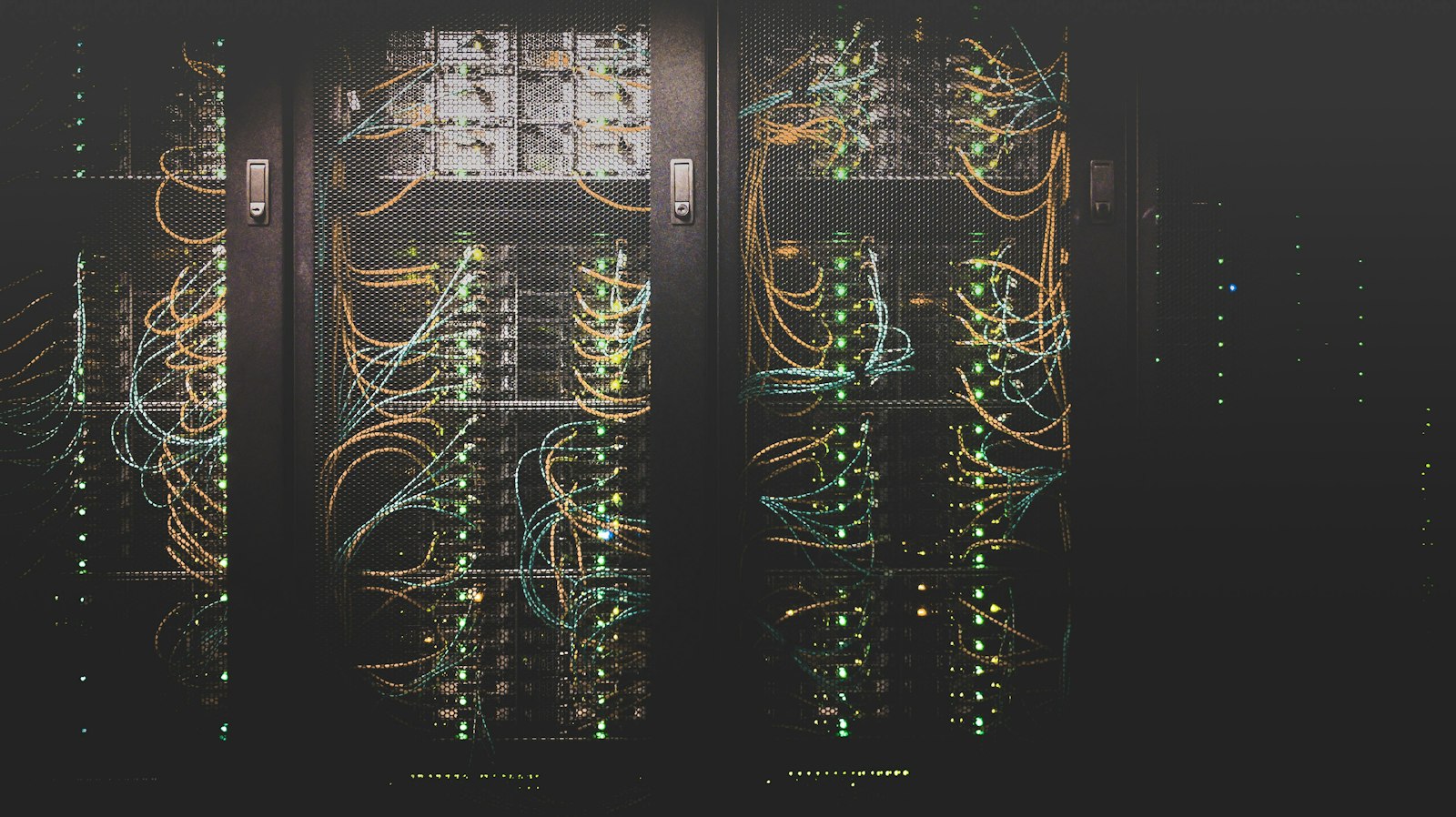
Crusoe says the cash will finance existing campuses, including a large Abilene, Texas site used by OpenAI, plus a newer bet: modular Spark “AI factories” built in Crusoe’s own facilities, trucked to sites with spare power, and plugged in without assembling a small city of construction crews.
That modular pitch is strategic theater as much as logistics. Giant campuses keep running into local backlash; smaller, relocatable pods let Crusoe chase stranded or underused megawatts and argue it is not forever wedging a hyperscale fortress next to someone’s cul-de-sac. Whether neighbors buy the narrative is another question—but the product roadmap is clear: speed and optionality.
CEO and co-founder Chase Lochmiller framed the mission in abundance language—“controlling the infrastructure from electrons to tokens”—which is founder-speak for owning the stack between the grid interconnect and the inference API.
How Crusoe actually makes money
Crusoe’s model is a three-lane highway: lease empty hall space to customers who bring their own GPUs; rent Crusoe-owned GPUs; and sell inference compute. That mix has made it one of the most valuable pure AI-infra names, with customers that reportedly include Meta, Microsoft, and Oracle.
Bloomberg has also reported a massive $13 billion, five-year cloud contract to supply quantitative trading firm Jane Street with GPUs and AI infrastructure—the kind of anchor deal that makes a $30.9B post-money number feel less like vibes and more like contracted watts.
Axios previously reported Crusoe has been talking to bankers including Goldman Sachs and Morgan Stanley about a potential IPO. A fresh multi-billion private round does not kill that path; it often buys time to grow into a cleaner public story.
Board upgrades and Redwood ties
Alongside the raise, Crusoe added three board members: Cloudflare CFO Thomas Seifert; Primary Digital Infrastructure’s Bill Stein; and Redwood Materials founder JB Straubel (also on Tesla’s board). Straubel already invested personally in Crusoe in 2021, and Crusoe later became Redwood’s first energy-storage customer—handy when your product thesis is “power + compute as one system.”
Remember the origin story: Crusoe started in 2018 as a crypto miner that sipped flared natural gas. The pivot to AI infra was less a branding refresh than a recognition that GPU scarcity and power scarcity beat hash-rate cycles as a decade-long business.
For the broader market, Crusoe’s raise is another data point that AI capex is consolidating into a handful of infra platforms that can finance power, land, and GPUs as a package. Hyperscalers still dominate—but specialist developers with Nvidia on the cap table and trading firms on the contract roster are carving a parallel lane. Modular Spark units are the optionality trade: if community permitting stays ugly, ship smaller; if a gas plant or hydro node opens up, roll trucks.
Geeknewz take
This is the AI boom told as a capital-markets story. Model labs get the headlines; companies like Crusoe get the balance sheets. A $3.9B Series F at nearly $31B says sophisticated money still thinks the hard problem is deploying reliable, financeable capacity faster than the next training run needs it.
Watch whether Spark modules actually compress time-to-power in the field, whether Jane Street–scale contracts become a pattern, and whether the IPO window opens before the next rate-cycle mood swing. Until then, Crusoe just bought itself a very expensive seat at the electrons-to-tokens table.
Source: TechCrunch — Crusoe raises $3.9B to build massive data centers and small modular “AI factories” (Marina Temkin, Sep 17, 2026).