
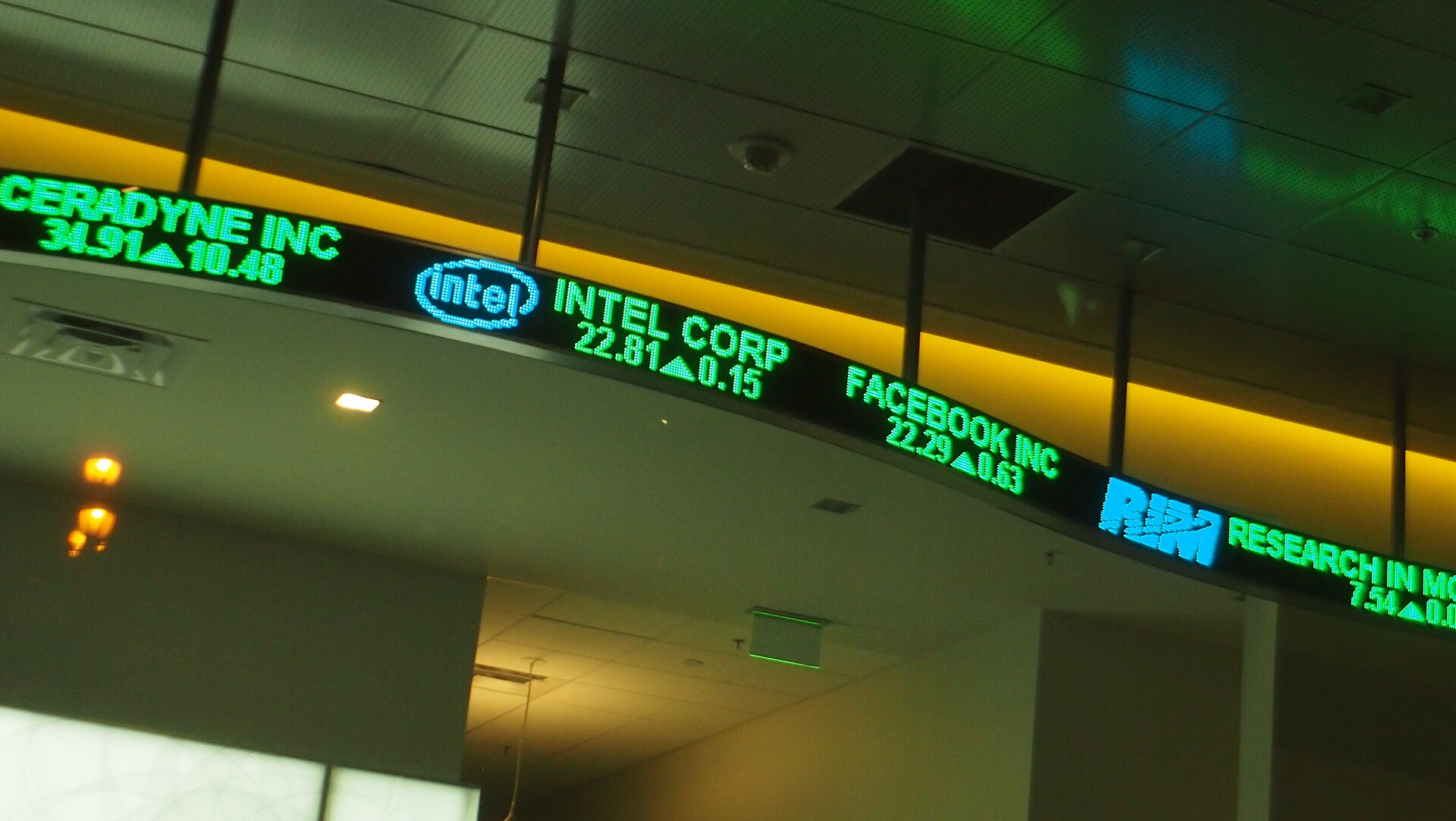
Broadcom chief executive Hock Tan told the DBS Asia Future Forward Conference in Singapore on Monday, Oct. 12, that a lot of investors "have no clue what they're investing in" and set expectations so extreme it's "almost like they are in a casino."
On Tuesday, Asian chip stocks sold off hard. Seoul's Kospi closed at 6,035.35, down 5.46%, after a session low 7.41% under Monday. SK hynix closed at 1,443,000 won, down 10.09%, and Samsung Electronics closed at 232,000 won, down 7.39%. The sell-off had a second cause sitting right beside Tan's remark. Chinese memory maker CXMT was reported to have made good progress on a new DRAM architecture that would raise memory density, and that claim landed on the memory makers in particular.
The casino line is the one that traveled. Tan's sharper point, from the same panel, is about money. He called capital the constraint most likely to slow the next stage of the AI build-out, and he still expects demand for AI computing to outrun supply for about two more years. Drawing on OpenRouter's inference data, he put spending on generating tokens at about $200 billion a year against about $150 billion of revenue, roughly $50 billion a year more than the industry earns back. He treated OpenAI's roughly $50 billion in annualized revenue as acceptable for a startup that is still losing money because training costs so much. A lot of enterprise pilot spending, in his telling, looks like kids burning through arcade tokens: the money is gone before anyone has learned what they bought.
DBS chief executive Tan Su Shan, who ran the session, described a token paradox at her own bank. DBS has quintupled its AI consumption and cut the token bill at the same time, by routing requests across models and caching what it can. Monday's Daily Drop already looked at how that same AI demand is eating the memory supply.
A CEO's offhand line isn't a reason to sell anything. Tan himself is bullish on AI chip demand. If you own chip stocks or AI-heavy funds, the useful part is his capital warning: watch borrowing costs, and watch whether enterprise customers start reporting real returns. Expect memory makers to stay volatile while CXMT's claims get tested.
Photo: Francisco Gonzalez / Wikimedia Commons, CC BY 2.0.
.jpg)