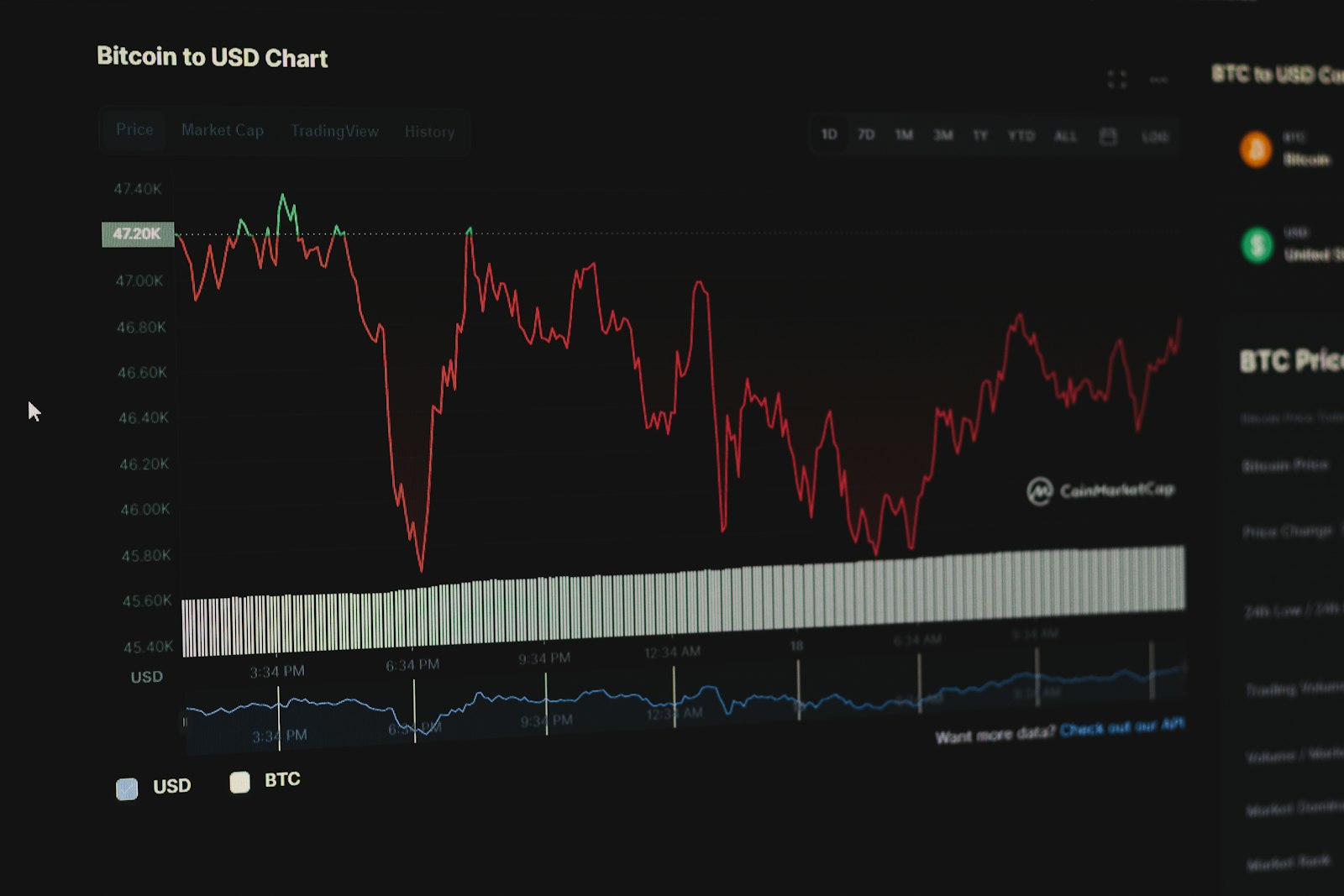
The loudest Bitcoin rally of a two-year drawdown did not look like fresh bulls rushing in. It looked like bears getting forcibly closed. That is the punchline of a joint Glassnode–Bybit report covered by Decrypt on Sep 19: over five August days, BTC jumped 24.6% while coin-denominated open interest—the stock of active leveraged bets—fell 12.6%.
When price rips and leverage shrinks, the mechanical explanation is usually a short squeeze. Glassnode’s numbers make that explicit: about 64,000 BTC of open interest closed out, and short positions supplied 89% of every liquidated dollar in the window. Longs were not the fuel. Forced covering was.
Options and the curve told the same story
Decrypt highlights two market-structure tells from the report:
- Options skew: Puts had priced richer than calls for 361 straight days. One session broke that streak as traders scrambled to reprice risk.
- Futures curve: The front of the curve jumped while longer-dated contracts barely moved—classic “one-off event” pricing, not a full-term regime change.
Bybit’s volatility index traveled roughly four times its normal daily range in a single session. Violent, yes. Durable bull market? The curve said “maybe later.”
Caveats that matter
Glassnode’s options coverage spans four crypto-native venues and excludes CME, with data through the settled close of August 23. Read the study as a map of crypto-native positioning, not every Bitcoin derivative on Earth. That does not erase the core finding; it scopes it.
This week’s $80K reclaim rhymed
Decrypt notes the pattern did not stay in August. After the Federal Reserve paired its first hike since 2023 with a dovish forecast, Bitcoin blasted back above $80,000 this week. Another squeeze followed: more than $230 million in Bitcoin short liquidations and over $445 million across crypto in a session, with CoinGlass showing roughly $529 million in total liquidations over 24 hours—again majority shorts.
Same movie, new episode: price up, shorts flattened, debate over whether the move sticks.
What would prove a regime change
Glassnode’s authors leave the useful open question. A durable shift would show:
- Options skew holding call-bid rather than snapping back to put premium.
- The front of the futures curve staying firm instead of fading.
A return of put premium plus fading funding would mark August (and this week) as events the market digested—not a new regime it entered. Traders cheering $81K should watch those two dials harder than any influencer price target.
Why Geeknewz keeps separating squeeze from demand
Spot ETF flow days and short-liquidation days can rhyme on a chart and mean opposite things underneath. ETF inflows imply someone is buying coins (or shares that require authorized participants to source coins). Short liquidations imply someone who was already short is being forced to buy back derivatives exposure. Both lift price; only one expands the set of willing long holders. Glassnode’s August package is useful precisely because it refuses to confuse the two.
That distinction matters for anyone who watched bitcoin reclaim $81K after the Clarity Act stumble and the Fed hike. A market that rallies mainly by punishing shorts can give those same shorts a better entry on the next fade—unless spot and options structure confirm the handoff to genuine demand.
Geeknewz take
Squeeze-powered rallies feel euphoric and leave thin ice. Glassnode’s August autopsy—and this week’s sequel above $80K—say Bitcoin’s sharpest moves of the drawdown were leverage plumbing, not a sudden flood of spot conviction. Until skew and the curve confirm otherwise, treat vertical green candles as short-covering receipts first, bull-market birth certificates second.
Source: Decrypt — Bitcoin's Sharpest Rally in Two Years Ran Almost Entirely on Short Liquidations (Sep 19, 2026), citing Glassnode–Bybit.