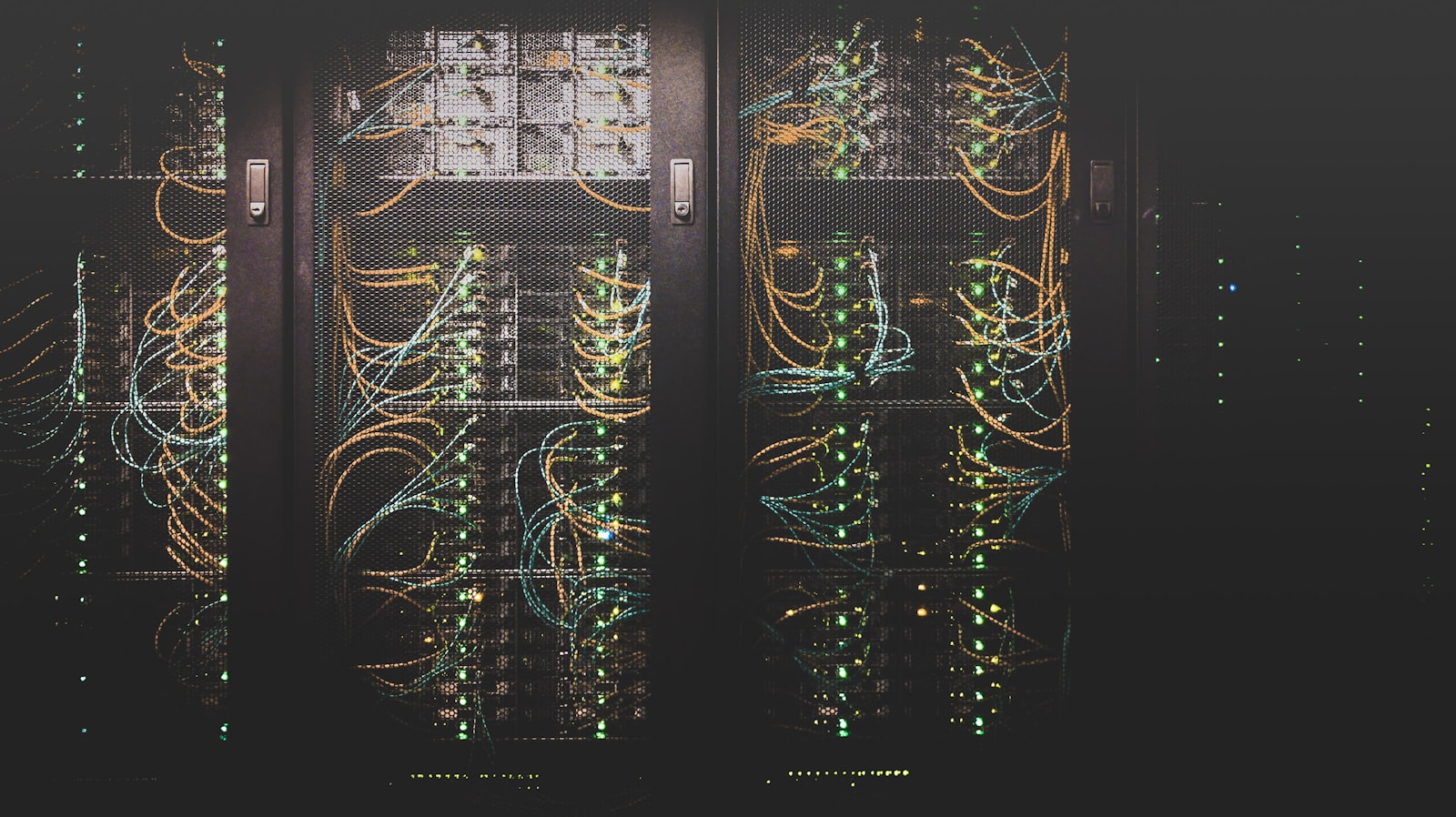
Apple selling AI servers sounds like a plot twist from an alternate timeline where Cupertino never shrugged at the rack. According to reporting from The Information, relayed by 9to5Mac, the company is quietly designing enterprise boxes built around upcoming M8 Ultra silicon—and it wants to sell them, not just hide them in Private Cloud Compute basements.
Plans aren’t locked. The earliest anyone is talking about shipping is around 2029. That is a geologic age in AI years. It is also exactly how Apple likes to move when the hardware has to be boringly reliable for governments and Fortune 500s instead of flashy for keynote demos.
Two boxes, lots of Ultra
The sketch floating around is delightfully Mac-like. One configuration clusters two M8 Ultra chips. A bigger sibling packs four. Think of it as the Studio-to-rack pipeline that Mac Studio cluster kids have been hacking together for local LLMs—except Apple would finally ship the thing as a product with a SKU, a warranty, and a sales team that knows how to spell “airflow.”
People already tape Mac Studios into DIY AI farms. Demand for denser Apple silicon in a proper server chassis is not imaginary. The open question is whether Cupertino decides that market is big enough to justify competing with the Nvidia-and-friends industrial complex that owns today’s training floors.
The Nvidia plot twist: NVLink Fusion
Here is the spicy bit. Apple has allegedly considered wiring those M8 Ultras together with Nvidia’s NVLink Fusion stack—switches, chiplets, and software that help accelerators gossip at data-center speeds. That would be Apple, famous for its closed silicon garden, plugging into Nvidia’s interconnect universe so the chips can talk like adults.
It is not “Apple is buying H100s.” It is “Apple might use Nvidia’s networking glue so its own Ultra clusters scale.” If true, it is a pragmatic admission that interconnect is half the AI server story. Fast chips trapped on slow buses are just expensive paperweights.
John Ternus, Apple’s hardware chief, is said to be supportive. The project has reportedly been cooking for about a year. Supportive executives and a year of engineering do not equal a launch announcement—ask anyone who has watched a skunkworks die in a budget review.
Why 2029 is both late and early
By 2029, the AI hardware map will look nothing like 2026. Nvidia will have marched through more Blackwell-era generations. Custom silicon from hyperscalers will be deeper in production. Regulators will still be arguing about export controls. Apple showing up with M8 Ultra servers then is either fashionably late or perfectly timed for enterprises that finally want on-prem Apple silicon for inference, fine-tuning, and “please keep our data off someone else’s GPU cloud” policies.
There is also the brand logic. Apple already runs private cloud inference for Apple Intelligence features. Productizing that muscle for external AI developers, businesses, and governments turns an internal cost center into a potential platform play—without forcing Apple to pretend it is a cloud hyperscaler overnight.
What could kill it
Cancellation risk is real. Server margins, channel conflict with Mac Pro/Studio, software stack maturity (MLX is cool; enterprise MLOps is a different sport), and the political optics of leaning on Nvidia tech all sit on the risk register. 9to5Mac’s take is blunt and fair: the idea makes sense, but Apple has to actually want it enough to ship.
Geeknewz read: treat this as a serious R&D signal, not a pre-order page. If Apple really sells M8 Ultra AI servers with optional NVLink Fusion plumbing, it redraws the line between “Apple makes personal computers that happen to run models” and “Apple sells compute to people training and serving models.” That is a bigger cultural shift than another MacBook hinge.
Until then, keep an eye on Ternus-era silicon roadmaps, any quiet hiring for server networking, and whether Apple’s next Ultra chips look suspiciously rack-friendly. 2029 is far away—unless you are the team that has to design the cooling, the interconnect, and the sales pitch that convinces a CIO to put an Apple logo in the data hall.
Source: 9to5Mac — Apple planning to sell AI servers powered by M8 Ultra chips, says report (Ben Lovejoy, Sep 16, 2026), citing The Information.